
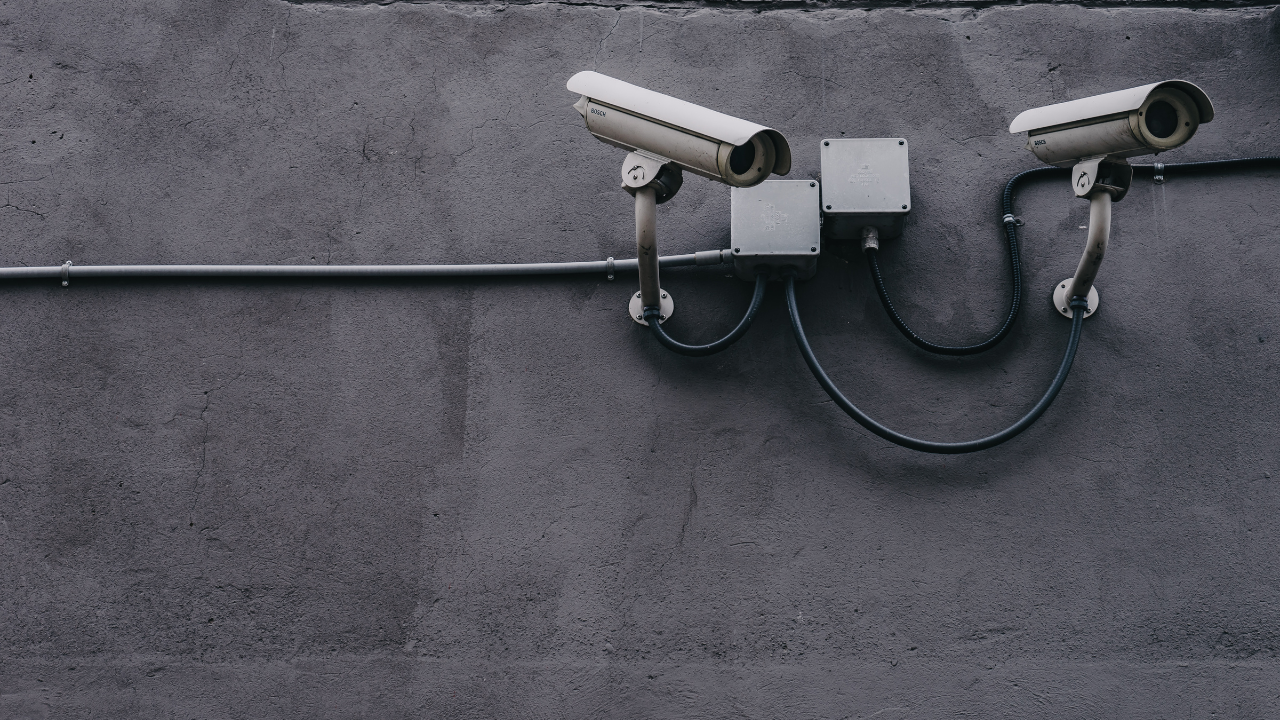
Security challenges facing commercial facilities continue to evolve. In 2026, businesses face higher occupancy density, increased regulatory oversight, more sophisticated security threats, and a growing reliance on connected systems. Traditional, standalone security solutions are no longer sufficient to meet these demands.
Modern commercial security requires a coordinated approach—one that integrates intrusion detection, video surveillance, and access control into a unified system. At APEX Integrations, we design and deploy commercial security solutions that help organizations operate safely, and respond effectively to emerging risks.
The Evolving Threat Landscape for Commercial Facilities
Commercial properties face a broader range of security risks today than even a few years ago. These risks extend beyond break-ins and theft to include unauthorized access, internal security breaches, vandalism, and operational disruptions.
Key challenges in 2026 include:
- Increased foot traffic and shared-use facilities
- Hybrid work environments with fluctuating occupancy
- Greater reliance on network-connected security systems
- Rising liability exposure for property owners and operators
Security systems must now support not just deterrence, but documentation, response coordination, and regulatory compliance.
Why Legacy Security Systems Fall Short
Many commercial facilities still operate with fragmented or outdated systems—standalone cameras, and disconnected access controls. While these systems may function individually, they lack the coordination needed to respond effectively in critical situations.
Common limitations of legacy security systems include:
- Delayed response due to a lack of system integration
- Limited visibility into real-time events
- Manual processes for incident investigation
- Inconsistent reporting and audit trails
- Difficulty scaling as facilities expand or change
In contrast, modern integrated security platforms provide centralized monitoring, automated alerts, and actionable data across all safety systems.
Integrated Security Is Now a Business Necessity
In 2026, commercial security systems are no longer viewed solely as protective measures—they are part of the operational infrastructure. Integrated systems allow facility managers, security teams, and ownership groups to monitor conditions, manage access, and respond to incidents efficiently.
Integrated systems typically combine:
- Video surveillance and analytics
- Electronic access control
- Intrusion detection
- Remote monitoring and system reporting
This level of integration enables faster decision-making, improved coordination with first responders, and better documentation for compliance and insurance purposes.
Technology Advancements Are Raising Expectations
Today’s commercial security systems offer capabilities that were unavailable just a few years ago. Video analytics, credential-based access management, cloud-connected reporting, and system automation allow facilities to operate more intelligently and securely.
Modern systems can:
- Identify unusual activity patterns
- Restrict access dynamically based on schedules or credentials
- Provide real-time alerts to security personnel
- Generate reports for audits and compliance reviews
- Integrate with building management and emergency systems
These advancements significantly improve situational awareness and operational control.
Protecting People, Property, and Operations
The primary goal of any security system is protection—but in commercial environments, protection extends beyond physical assets. Effective security systems safeguard occupants, employees, visitors, and business continuity.
Well-designed security systems help:
- Reduce unauthorized access
- Improve emergency response times
- Minimize operational downtime
- Protect organizational reputation
In multi-tenant or high-traffic facilities, these benefits are particularly critical.
The Importance of Professional System Design and Integration
As security systems become more advanced, professional system design and integration become increasingly important. Poorly planned systems can result in blind spots, system conflicts, or operational inefficiencies.
Certified integrators ensure that:
- Systems are designed to meet facility-specific risks
- Equipment is compatible and scalable
- Installation follows the manufacturer and code requirements
- Systems operate reliably under real-world conditions
- Ongoing support and maintenance are available
APEX Integrations works with commercial clients throughout Massachusetts to deliver security solutions that are technically sound, fully integrated, and built for long-term performance.
Security as a Strategic Investment
In 2026, commercial security systems are no longer optional upgrades—they are strategic investments. Organizations that invest in integrated, compliant, and professionally designed systems are better positioned to manage risk, meet regulatory requirements, and protect their operations.
Security planning today directly impacts operational stability tomorrow.
Frequently Asked Questions (FAQ)
Why are commercial security systems more important now than in the past?
Modern facilities face greater security, compliance, and operational risks. Integrated systems provide enhanced monitoring, faster response, and improved accountability.
What makes an integrated security system different?
Integrated systems connect security and access components into a single platform, allowing centralized control, automation, and reporting.
Can older systems be integrated or upgraded?
In many cases, existing systems can be upgraded or integrated, though some components may require replacement to meet current standards.
Who should design and install commercial security systems?
Certified system integrators with experience in commercial environments ensure proper design, installation, and long-term system reliability.