
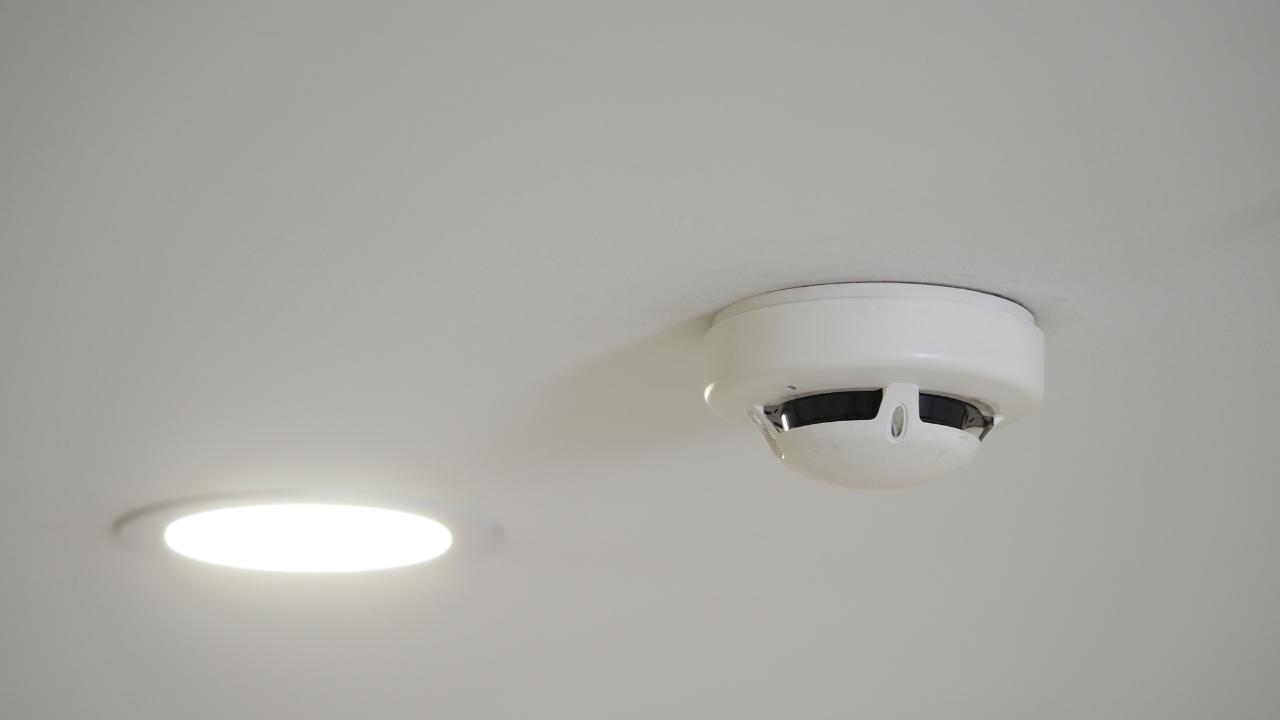
Fire alarm installation is one of the most critical components of any building’s life safety system—but it’s also one of the most commonly misunderstood.
Many building owners and project teams assume that once a system is installed and passes inspection, the job is done. In reality, the success of a fire alarm system depends heavily on decisions made long before the system is ever turned on.
At APEX Integrations, we often see the same fire alarm installation mistakes repeated across commercial properties, multi-family buildings, and facilities of all sizes. These early missteps can lead to ongoing system issues, failed inspections, false alarms, and even safety risks.
Let’s break down what most buildings get wrong—and how to avoid it.
Why Fire Alarm Installation Matters More Than You Think
Fire alarm installation is not just about meeting code requirements—it’s about ensuring real-world performance when it matters most.
A properly installed system:
- Detects threats quickly
- Communicates clearly
- Integrates with other life safety systems
- Performs reliably over time
A poorly installed system may still “pass,” but it often creates long-term problems that are costly and disruptive.
1. Poor Planning Before Fire Alarm Installation Begins
One of the biggest issues in fire alarm installation happens before any wires are run.
Common problems include:
- Lack of coordination between trades
- No clear system design ownership
- Rushed timelines from general contractors
- Incomplete understanding of building use
Fire alarm installation requires careful planning with electricians, engineers, and project managers. Without alignment, systems are often installed in ways that create gaps, inefficiencies, or future compliance issues.
2. Incorrect Device Placement
Device placement is one of the most overlooked aspects of fire alarm installation—and one of the most important.
Common mistakes:
- Smoke detectors placed too close to vents
- Devices installed in dead air spaces
- Inadequate coverage in large or irregular areas
- Ignoring ceiling height and environmental factors
Even if devices meet minimum spacing requirements, poor placement can delay detection or cause nuisance alarms.
Fire alarm installation should always consider how air flows, how spaces are used, and how conditions change over time.
3. Treating Code Compliance as the Only Goal
Meeting code is essential—but it shouldn’t be the only goal of fire alarm installation.
Many systems are installed to “just pass inspection,” rather than to function optimally in real conditions.
The difference:
- Code compliance: Meets minimum standards
- Best practice installation: Ensures performance, reliability, and longevity
Fire alarm installation should go beyond compliance to ensure the system works effectively in real-world scenarios—not just on inspection day.
4. Lack of Integration with Other Systems
Modern buildings rely on multiple systems working together. Fire alarm installation should consider integration with:
- Sprinkler systems
- HVAC shutdown
- Elevator recall
- Mass notification systems
When fire alarm installation is treated as a standalone system, opportunities for improved safety and response are missed.
At the same time, integration must be done thoughtfully—especially when working alongside security systems, which have different requirements.
5. Poor Documentation During Installation
Documentation is often treated as an afterthought in fire alarm installation—but it plays a major role in long-term system performance.
Missing or incomplete documentation can lead to:
- Failed inspections
- Confusion during maintenance
- Delays in troubleshooting
- Increased service costs
Proper fire alarm installation includes:
- Accurate as-built drawings
- Device location records
- System configuration details
Without this, even a well-installed system becomes difficult to manage.
6. Ignoring Future Maintenance Needs
Fire alarm installation is not a one-time event—it’s the beginning of a system lifecycle.
Many installations fail to consider:
- Ease of access for testing
- System scalability
- Replacement part availability
- Long-term service requirements
A system that is difficult to maintain will eventually become unreliable.
Smart fire alarm installation plans for the future—not just the present.
7. Rushed Installation Timelines
Construction schedules often put pressure on fire alarm installation teams to move quickly.
This leads to:
- Incomplete testing
- Missed details
- Coordination issues
- Increased risk of errors
Fire alarm installation should never be rushed. Taking the time to install and test properly ensures fewer issues later.
How to Get Fire Alarm Installation Right
To avoid these common mistakes, building owners and project teams should:
- Involve experienced professionals early
- Prioritize system design—not just installation
- Focus on performance, not just compliance
- Ensure proper documentation is delivered
- Plan for ongoing testing and maintenance
Fire alarm installation is too important to treat as a checkbox item. It should be approached as a critical investment in safety and reliability.
Final Thoughts
Fire alarm installation lays the foundation for your entire life-safety system. When done correctly, it provides peace of mind, compliance, and long-term reliability.
When done poorly, it creates ongoing challenges that are expensive and difficult to fix.
By understanding the most common mistakes—and how to avoid them—you can ensure your system is built to perform when it matters most.
FAQs: Fire Alarm Installation
1. What is included in fire alarm installation?
Fire alarm installation includes system design, device placement, wiring, panel configuration, testing, and documentation to ensure proper system operation.
2. How long does fire alarm installation take?
The timeline depends on the building’s size and complexity, but proper planning and coordination are key to avoiding delays.
3. Can a fire alarm system pass inspection but still have issues?
Yes. A system can meet code requirements but still have performance issues due to poor design or installation.
4. How often should a fire alarm system be tested after installation?
Fire alarm systems should be tested regularly in accordance with NFPA 72 guidelines, typically annually, with some components tested more frequently.
5. Why is documentation important in fire alarm installation?
Documentation ensures the system can be properly maintained, inspected, and serviced over time.