
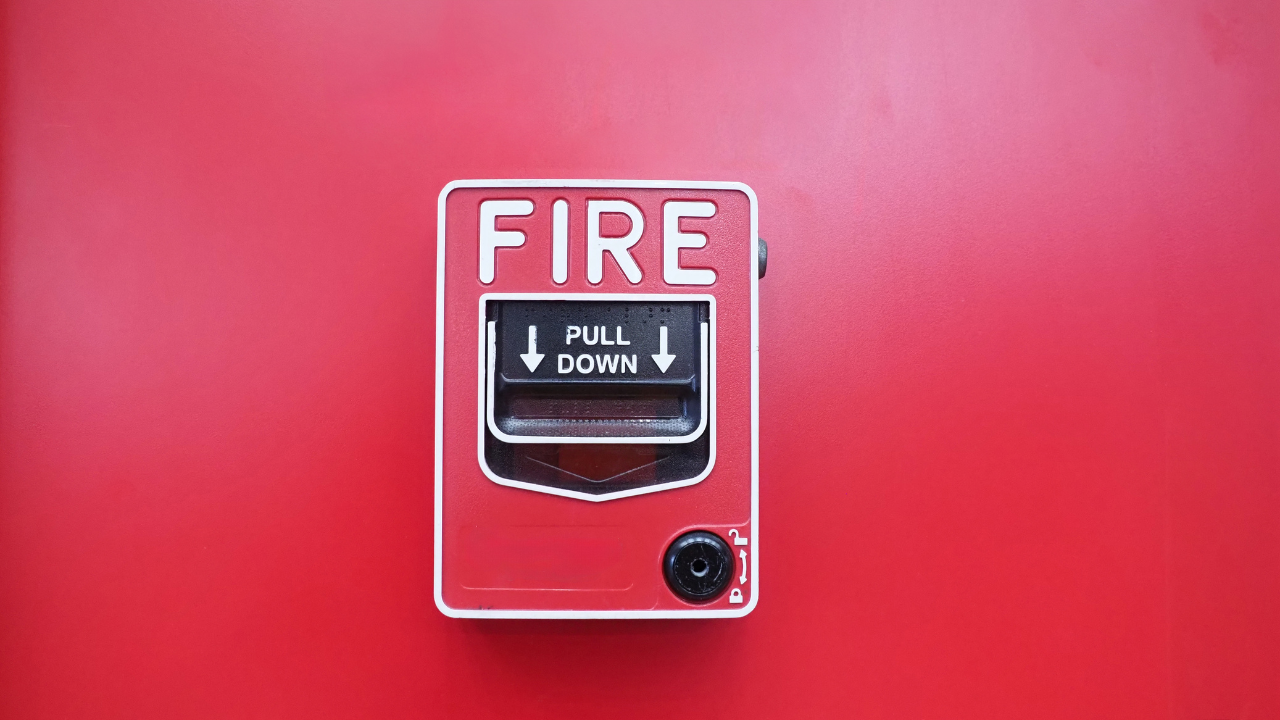
As commercial buildings become more complex in 2026, organizations are rethinking how they approach protection, compliance, and operational oversight. Integrated Security and Fire Alarm Systems offer a structured, modern way to manage facility protection — but it’s important to understand what “integrated” truly means.
While security and fire alarm systems may be installed in the same building, they operate as distinct service areas. They operate under different regulatory requirements, workflows, and maintenance standards. When properly designed, however, they can coordinate during critical events without compromising compliance.
At APEX Integrations, we engineer Integrated Security and Fire Alarm Systems with clarity — integrating security platforms where appropriate while maintaining the independence and code compliance required for life-safety systems.
Understanding Integrated Security and Fire Alarm Systems: Two Distinct Divisions
When discussing Integrated Security and Fire Alarm Systems, it’s essential to clarify that integration primarily applies within the security ecosystem, while fire alarm systems remain independently engineered life-safety systems.
Security Systems: Fully Integrated Security Platforms
Modern security systems are designed for integration across multiple technologies.
Security platforms typically include:
-
Video surveillance (cameras)
-
Electronic access control
-
Wireless locking systems
-
Intrusion detection
-
Centralized command dashboards
-
Advanced analytics and reporting
-
Proactive security monitoring
These systems are intentionally integrated so organizations can manage cameras, access credentials, and intrusion alerts within a single, coordinated platform. This integration improves visibility, strengthens oversight, and simplifies operations — particularly for enterprise and multi-site facilities.
The goal of security integration is clear: protect employees, residents, students, and visitors while enabling centralized control.
Fire Alarm Systems: Code-Driven Independent Life-Safety Systems
Fire alarm systems operate independently as regulated, code-driven life-safety systems. Even within Integrated Security and Fire Alarm Systems environments, fire alarm infrastructure must comply with strict inspection schedules, monitoring protocols, and regulatory standards.
Fire alarm services typically include:
-
Fire alarm testing and inspections
-
Detailed deficiency reporting
-
Online inspection platforms
-
Proactive compliance tracking
-
Central station fire alarm monitoring
-
Alarm condition reporting
-
System upgrades and modernization
While certain life-safety events may interact with access control (such as automatic door release during alarm activation), fire systems remain engineered and maintained as separate code-compliant systems.
Maintaining this separation ensures clarity in compliance, service responsibility, and regulatory adherence.
Where Integration Adds Real Value Within Integrated Security and Fire Alarm Systems
Integration delivers the strongest operational value within the security portion of Integrated Security and Fire Alarm Systems.
For Enterprise and Multi-Site Organizations
-
Centralized monitoring across locations
-
Standardized access policies
-
Enterprise-wide reporting and analytics
-
Scalable growth as new facilities are added
-
Remote diagnostics to reduce service dispatch
For Small Businesses
-
A single unified security platform
-
Simplified training and administration
-
Reduced long-term maintenance complexity
-
Professional-grade protection without excessive overhead
-
Scalability without full system replacement
This type of integration reduces operational friction while improving oversight and long-term flexibility.
Coordinated Emergency Response Without Compromising Compliance
Well-designed Integrated Security and Fire Alarm Systems enable structured coordination during emergencies.
Examples include:
-
Fire alarm activation triggers controlled door releases
-
Security systems automatically flagging emergency conditions
-
Central station monitoring dispatching authorities
-
Unified event logs supporting post-incident review
These coordinated actions improve response efficiency while preserving the regulatory independence of fire alarm systems.
Compliance, Maintenance, and Lifecycle Management
Understanding the distinct roles within Integrated Security and Fire Alarm Systems ensures long-term reliability.
Security Systems Focus On:
-
Threat detection
-
Access management
-
Asset protection
-
Data analysis and centralized reporting
Fire Alarm Systems Focus On:
-
Code-required inspections
-
Deficiency resolution
-
Life-safety monitoring
-
Regulatory documentation
Separating expertise while coordinating performance ensures facilities remain both secure and compliant.
Scalable Design for Changing Facilities
Commercial facilities evolve. Well-engineered Integrated Security and Fire Alarm Systems support growth without the need for unnecessary system replacements.
Security platforms allow:
-
Easy expansion of cameras and access points
-
Credential growth as staffing changes
-
Platform upgrades without infrastructure overhaul
Fire alarm systems support:
-
Code-compliant system expansion
-
Legacy panel modernization
-
Ongoing inspection alignment as regulations evolve
A disciplined structure enables both adaptability and stability.
Why Professional Engineering of Integrated Security and Fire Alarm Systems Matters
Improperly structured systems can create confusion, compliance gaps, and operational inefficiencies. Professional integrators ensure:
-
Security technologies are engineered for compatibility
-
Fire alarm systems meet all regulatory requirements
-
Integration points are properly configured
-
Systems are tested under real-world conditions
-
Ongoing monitoring and maintenance are reliable
At APEX Integrations, we design Integrated Security and Fire Alarm Systems with clear division, coordinated functionality, and long-term operational performance in mind.
A Smarter Approach to Facility Protection
Integrated Security and Fire Alarm Systems are not about merging two distinct systems into one. They’re about engineering structured coordination while preserving the integrity of each system.
Security protects people and property.
Fire alarm systems protect life and maintain compliance.
When both are professionally designed and properly maintained, organizations gain clarity, oversight, and confidence in their facility protection strategy.