
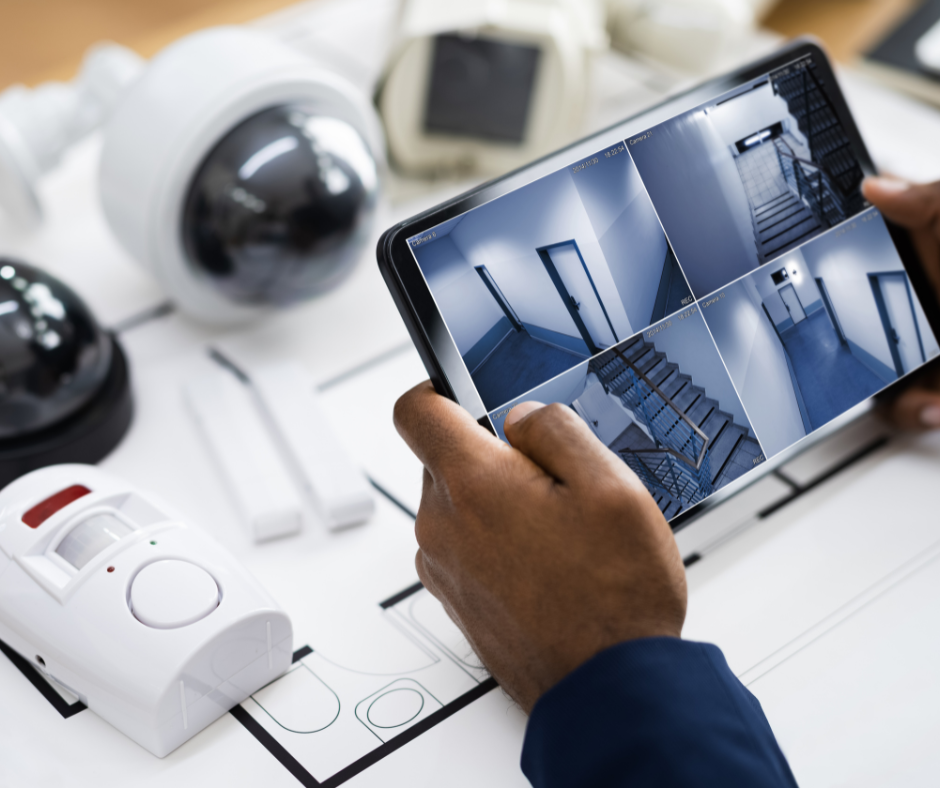
In commercial environments, security systems and fire alarm systems are not optional infrastructure—they are essential to protecting people, property, and business operations. These systems must function correctly every day and perform reliably during emergencies.
However, many system failures do not result from faulty equipment. Instead, they are caused by poor system design, improper installation, or lack of proper testing and maintenance.
That is where working with a certified security system integrator becomes critical.
At APEX Integrations, our team provides specialized expertise across two key divisions: security systems and fire alarm systems. Each discipline requires its own certifications, code knowledge, and technical experience to ensure systems operate correctly and meet regulatory requirements.
What Does “Certified Integrator” Actually Mean?
A certified integrator is more than an installer. Certification means technicians and engineers have completed manufacturer training, understand regulatory requirements, and have demonstrated technical competence working with specific systems.
Certification often involves:
- Manufacturer-specific training and authorization
- Ongoing education and re-certification
- Knowledge of applicable codes and compliance standards
- Proven experience in system design, configuration, and diagnostics
For property owners and facility managers, certification provides confidence that systems will be installed correctly and operate as intended.
Two Specialized Disciplines: Security Systems and Fire Alarm Systems
While both systems help protect people and facilities, security platforms and fire alarm systems typically operate independently and require specialized expertise.
Security Systems
Security systems are designed to help organizations monitor, control, and protect access to their facilities.
Common security technologies include:
- Video surveillance systems
- Access control platforms
- Intrusion detection systems
- Wireless locking and door control solutions
A certified security system integrator ensures these technologies are designed and installed to provide visibility, accountability, and protection across a facility.
Fire Alarm Systems
Fire alarm systems are life-safety systems designed to detect fire conditions and alert occupants to evacuate. Because they directly affect occupant safety, these systems are subject to strict codes and regulatory oversight.
Fire alarm services often include:
- Fire alarm system inspections and testing
- Fire alarm panel monitoring
- Service and maintenance of existing fire alarm systems
- Ensuring system compliance with fire and life safety codes
Certified technicians ensure fire alarm systems meet all applicable standards and remain reliable over time.
Why Certification Matters for System Performance
When systems are installed by uncertified or inexperienced providers, common issues can include:
- Improper device placement
- Configuration errors
- Inconsistent system operation
- Increased false alarms
- Failed inspections or compliance issues
Certified integrators follow structured installation and verification processes that reduce the likelihood of these problems.
For organizations that rely on these systems every day, that reliability is critical.
System Testing: Verifying Performance Before It Matters
Testing is one of the most important phases of deploying a security or fire system. Proper testing ensures equipment works correctly before it is relied upon in real-world situations.
Comprehensive testing typically includes:
- Verification of device operation (detectors, cameras, readers, alarms)
- Confirmation that systems communicate properly
- Validation of alerts and notification processes
- Testing backup power and fail-safe functions
- Verification of monitoring and reporting systems
Testing ensures that each system functions correctly on its own and within the broader facility infrastructure.
Commissioning: Turning Technology Into a Working System
Commissioning is the final step that confirms a system is fully operational and ready for daily use.
Key elements of commissioning include:
- Final configuration and programming validation
- End-to-end operational testing
- Documentation of system settings and functionality
- Coordination with inspectors and authorities when required
- Training for facility staff and administrators
This process ensures systems are not only installed but ready to perform reliably in real-world conditions.
The Role of Commissioning in Code Compliance
For fire alarm systems especially, commissioning and documentation are often required for regulatory approval.
Certified integrators help organizations:
- Pass fire and safety inspections
- Avoid costly rework before occupancy
- Maintain proper documentation for insurers and auditors
- Demonstrate compliance with life-safety regulations
This process helps protect both occupants and property owners.
Reducing Risk for Property Owners and Facility Managers
Properly designed, installed, and maintained systems reduce operational and financial risk.
Operational Risk Reduction
- Fewer system failures during emergencies
- Reduced false alarms
- Faster and more coordinated response during incidents
Financial Risk Reduction
- Lower likelihood of emergency repair costs
- Reduced business interruption
- Avoidance of compliance penalties
Legal and Liability Protection
- Documented system maintenance and compliance
- Improved records for incident investigations
- Reduced exposure to regulatory violations
For facilities such as healthcare centers, schools, multi-tenant buildings, and enterprise campuses, this risk reduction is extremely valuable.
The Cost of Poor System Design or Installation
Systems that are poorly installed or improperly tested often appear functional—until they are needed during a real emergency.
Common failure scenarios include:
- Security cameras not capturing key incidents
- Access control systems malfunctioning during events
- Alarm signals failing to reach monitoring centers
- Fire systems failing inspections due to improper configuration
Most of these issues trace back to inadequate design, installation, or testing.
Ongoing System Maintenance and Support
Professional integrators support systems throughout their lifecycle to ensure continued performance.
Ongoing services may include:
- Scheduled system inspections and testing
- Software and firmware updates
- System expansion or upgrades
- Code compliance updates as regulations change
This proactive approach helps protect both system reliability and long-term investment.
Choosing the Right Integrator Matters
Selecting a certified integrator is not simply a technical decision—it is a strategic one. The right partner helps protect people, property, and operations while ensuring systems meet compliance requirements.
APEX Integrations supports commercial clients across Massachusetts with expert installation, inspection, testing, and support for both security systems and fire alarm systems.
By maintaining dedicated expertise in each discipline, APEX ensures every system is designed, installed, and maintained to perform when it matters most.
Frequently Asked Questions
Why is certification important for security system integrators?
Certification ensures technicians have the training and authorization needed to properly design, install, and configure complex systems.
Are fire alarm systems integrated with security systems?
In most facilities, fire alarm systems operate independently and must meet specific life-safety code requirements.
How often should fire alarm systems be tested?
Testing frequency depends on local codes and regulations, but most commercial fire alarm systems require regular inspections and testing.
What does commissioning involve?
Commissioning verifies that a system has been installed correctly, configured properly, and is fully operational before being placed into service.