
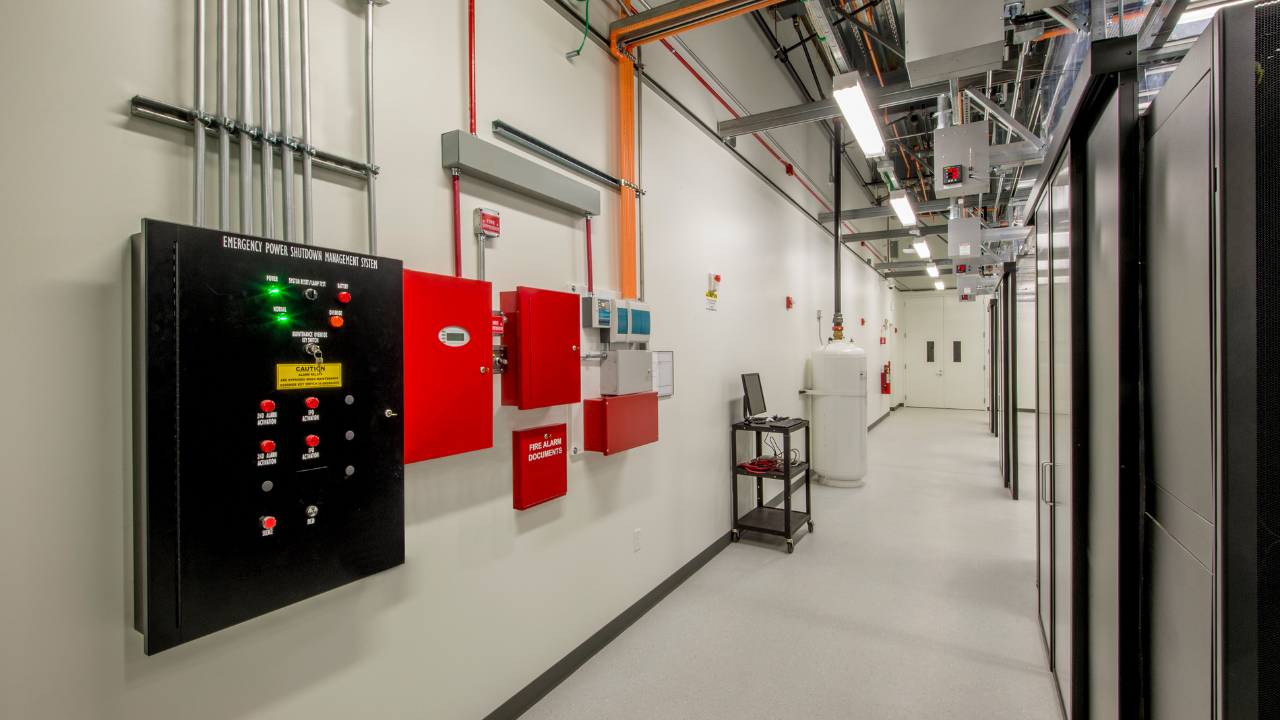
When planning a new fire alarm installation or evaluating an aging system, one of the most important decisions building owners face is choosing between an addressable fire alarm system and a conventional fire alarm system.
While both systems are designed to detect fire conditions and alert building occupants, the way they operate, communicate, and identify alarms differs significantly. Understanding these differences can help property owners, facility managers, schools, healthcare facilities, and commercial building operators select the most effective solution for their specific needs.
As commercial buildings become more complex and fire safety requirements continue to evolve, addressable fire alarm systems have become the preferred choice for many facilities. However, conventional systems still have a place in certain applications.
Let’s explore the differences between these two fire alarm technologies and determine which option may be right for your facility.
Understanding Commercial Fire Alarm Systems
A commercial fire alarm system is designed to detect fire, smoke, heat, or other emergency conditions and notify occupants so they can safely evacuate the building.
Modern systems may include:
- Smoke detectors
- Heat detectors
- Pull stations
- Horns and strobes
- Fire alarm control panels
- Monitoring equipment
- Communication modules
- Emergency notification systems
The primary difference between addressable and conventional systems lies in how devices communicate with the control panel.
What Is a Conventional Fire Alarm System?
A conventional fire alarm system organizes devices into zones.
For example:
- Zone 1 – First Floor Offices
- Zone 2 – Second Floor Offices
- Zone 3 – Warehouse Area
- Zone 4 – Mechanical Rooms
When a detector activates, the fire alarm panel identifies the affected zone but cannot pinpoint the exact device that triggered the alarm.
Emergency responders know where to begin investigating, but they may still need to search throughout that zone to locate the source of the alarm.
Advantages of Conventional Fire Alarm Systems
Conventional systems offer several benefits:
Lower initial installation costs.
Simpler design for smaller buildings.
Straightforward operation.
Suitable for facilities with limited coverage requirements.
For smaller commercial buildings, conventional systems may provide adequate protection while keeping installation costs manageable.
Limitations of Conventional Fire Alarm Systems
The primary drawback is limited information.
The system only identifies a zone rather than a specific device.
This can lead to:
- Longer investigation times
- Increased troubleshooting efforts
- More maintenance labor
- Less precise alarm identification
As facilities grow larger or more complex, these limitations become increasingly significant.
What Is an Addressable Fire Alarm System?
Addressable fire alarm systems represent the next generation of commercial fire protection technology.
Unlike conventional systems, every device on an addressable system has its own unique address.
When a detector activates, the fire alarm panel identifies the exact device and location.
Instead of displaying:
“Zone 2 Alarm”
The panel may display:
“Second Floor Conference Room Smoke Detector”
This detailed information can significantly improve emergency response and maintenance efficiency.
Why Addressable Fire Alarm Systems Have Become the Industry Standard
Many commercial facilities today choose addressable fire alarm systems because they provide greater visibility and control.
Benefits include:
Faster Emergency Response
Knowing the exact device location allows emergency personnel to respond more quickly.
Instead of searching an entire floor or building section, responders can immediately investigate the affected area.
Easier Troubleshooting
Maintenance personnel can quickly identify devices experiencing trouble conditions.
This reduces diagnostic time and helps minimize system downtime.
Better System Monitoring
Addressable systems continuously communicate with connected devices.
This allows technicians to detect developing issues before they become major problems.
Scalability
Addressable systems can often accommodate future expansion more easily than conventional systems.
This is particularly important for:
- Schools
- Hospitals
- Multi-building campuses
- Apartment communities
- Commercial office parks
Preferred by Many Fire Departments
Many fire departments prefer addressable fire alarm systems because they provide precise information during emergencies.
The ability to identify the exact alarm location improves response efficiency and supports occupant safety.
Which Facilities Benefit Most from Addressable Fire Alarm Systems?
While nearly any commercial building can benefit from addressable technology, certain facility types see significant advantages.
Healthcare Facilities
Hospitals, medical offices, assisted living facilities, and healthcare campuses require rapid response to emergency situations.
Addressable systems help staff quickly locate alarm conditions and protect vulnerable occupants.
Schools and Universities
Educational facilities often contain hundreds or thousands of occupants.
Addressable systems improve emergency response and simplify ongoing maintenance.
Property Management Companies
Property managers overseeing multiple buildings benefit from improved diagnostics and reporting capabilities.
Addressable systems can streamline maintenance planning and reduce operational disruptions.
Apartment Communities
Large residential complexes require dependable life safety systems that provide detailed alarm information.
Addressable technology offers enhanced protection for residents and staff.
Commercial Office Buildings
Office parks and multi-tenant buildings often contain complex layouts that benefit from precise alarm identification.
Comparing Installation Costs
One of the most common questions building owners ask is whether addressable systems cost more.
The answer is generally yes.
Addressable fire alarm systems often require:
- More advanced equipment
- Additional programming
- Enhanced control panels
However, focusing solely on upfront installation costs can be misleading.
Over the life of the system, many organizations find that addressable systems reduce:
- Service costs
- Troubleshooting expenses
- Downtime
- Maintenance labor
These long-term savings often offset the higher initial investment.
When Is It Time to Upgrade?
Many facilities still operate older conventional fire alarm systems that have performed reliably for years.
However, several factors may indicate it’s time to consider an upgrade.
Aging Equipment
Manufacturers often discontinue older components, making repairs difficult and expensive.
Building Expansion
Facility additions may strain the capabilities of older systems.
Increased Maintenance Costs
Frequent service calls may indicate that replacement is more cost-effective than continued repairs.
Compliance Requirements
Changes in codes and regulations may necessitate system improvements.
Desire for Better Visibility
Many building owners simply want the enhanced monitoring and diagnostics offered by modern intelligent fire alarm systems.
The Importance of Certified Installation
Whether you choose a conventional or addressable fire alarm system, proper installation is essential.
Certified installers ensure:
- Code compliance
- Proper device placement
- Accurate programming
- Reliable monitoring integration
- Successful testing and commissioning
At APEX Integrations, our certified Kidde and Edwards technicians install, program, inspect, and service commercial fire alarm systems designed to meet the unique needs of each facility.
Frequently Asked Questions
Which is better: addressable or conventional fire alarm systems?
Addressable fire alarm systems provide greater visibility, faster response times, and easier maintenance. However, conventional systems may still be appropriate for smaller facilities.
Are addressable systems required by code?
Not always. Requirements vary based on occupancy type, building size, and local regulations.
Do addressable systems cost more?
Typically, yes. However, many organizations recover the additional investment through reduced maintenance and service costs over time.
Can a conventional fire alarm system be upgraded?
In many cases, yes. The best approach depends on the age of the existing system and the condition of the current infrastructure.
Why do fire departments prefer addressable systems?
Addressable systems identify the exact location of an alarm, helping emergency responders quickly locate and investigate incidents.
How long do fire alarm systems last?
Many fire alarm systems remain operational for 15 to 20 years, although individual devices may need to be replaced sooner.
Which Fire Alarm System Is Right for Your Facility?
Choosing between a conventional and addressable fire alarm system requires evaluating your building size, occupancy type, future growth plans, and long-term maintenance goals.
For many modern facilities, addressable fire alarm systems provide the flexibility, diagnostics, and detailed reporting needed to support effective life safety programs. However, conventional systems may still be a practical solution for certain smaller applications.
Is your facility considering a fire alarm upgrade? Contact APEX Integrations to discuss your options and determine which fire alarm system best fits your building.