
When it comes to protecting people, property, and business operations, few systems are more important than a properly designed and installed commercial fire alarm system. Whether you are constructing a new building, renovating an existing facility, or replacing an aging system, understanding the commercial fire alarm installation process can help you make informed decisions and avoid costly mistakes.
A commercial fire alarm installation is more than simply mounting devices and connecting wires. Today’s intelligent fire alarm systems involve engineering, permitting, programming, testing, monitoring, and ongoing maintenance. Building owners, facility managers, and property management companies must ensure that their fire alarm systems meet local code requirements while providing reliable protection for occupants.
In this article, we’ll walk through the key stages of a commercial fire alarm installation project and explain what building owners should expect at each stage.
Why Commercial Fire Alarm Installation Matters
A fire alarm system serves as one of the first lines of defense during an emergency. Its primary purpose is to detect fire conditions, notify occupants, and initiate appropriate response measures.
Beyond life safety, a properly installed fire alarm system can help:
- Protect property and assets
- Reduce business interruption
- Support emergency response efforts
- Meet insurance requirements
- Maintain compliance with local and national fire codes
- Protect tenants, employees, residents, and visitors
For commercial buildings, fire alarm systems are often required by code and must be installed according to specific standards and regulations.
Understanding the Fire Alarm Installation Process
Many building owners are surprised to learn that a commercial fire alarm installation involves several phases before a single device is installed.
The process typically begins with system design and engineering.
System Design and Engineering
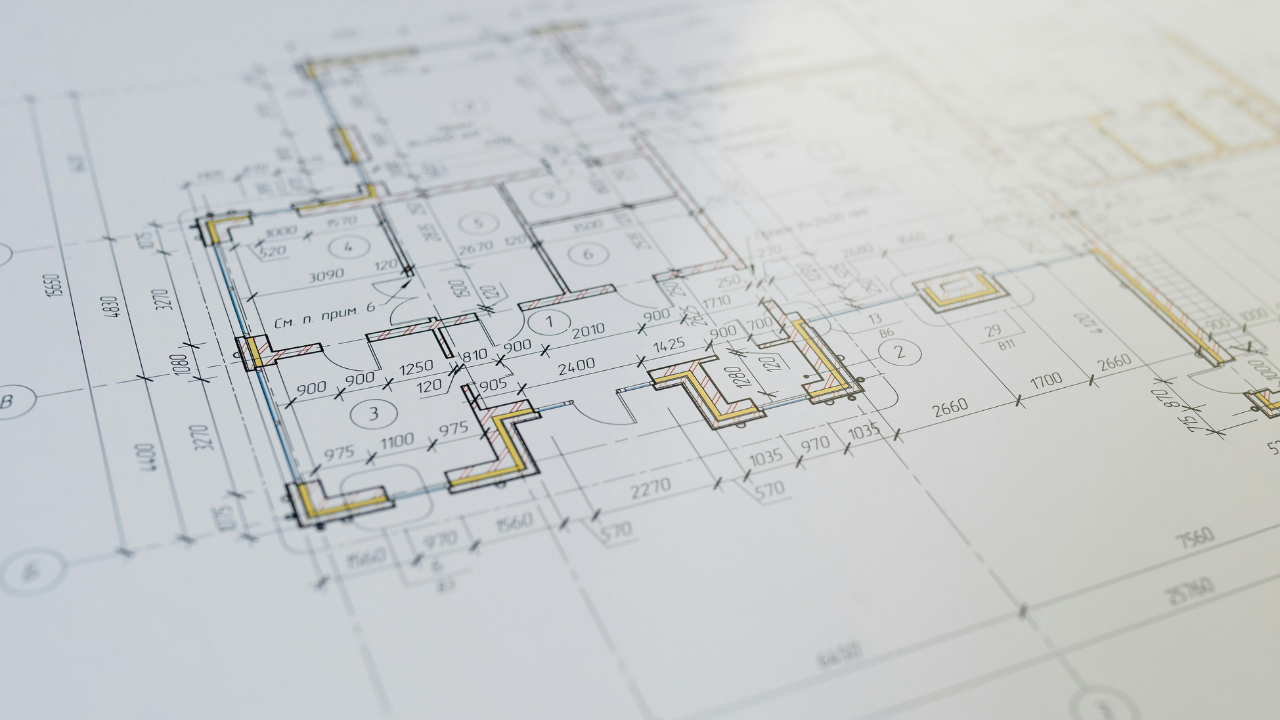
Before installation can begin, plans must be developed to determine the proper placement of devices, notification appliances, control panels, and monitoring components.
Professional fire alarm system designs are typically prepared by qualified fire protection engineers or design professionals who understand local code requirements and building occupancy classifications.
During this phase, factors such as building size, occupancy type, ceiling heights, egress paths, and special hazards are evaluated.
The goal is to create a system that provides effective coverage while meeting all applicable code requirements.
Fire Department Plan Review and Permitting
Once the design is complete, plans are often submitted to the local fire department or authority having jurisdiction for review and approval.
This step is critical because installation typically cannot begin until permits are approved.
The review process helps verify that the proposed system complies with applicable fire codes and safety regulations.
Depending on the project size and location, plan review timelines can vary significantly.
Working with an experienced fire alarm contractor can help streamline this process and minimize delays.
Choosing the Right Fire Alarm System
Not all fire alarm systems are the same.
Today’s commercial properties typically use either conventional or addressable fire alarm systems.
Conventional Fire Alarm Systems
Conventional systems divide a building into zones.
When an alarm occurs, the panel identifies the affected zone but not the exact device that triggered it.
While conventional systems may be appropriate for smaller facilities, they often provide less detailed information during emergency situations.
Addressable Fire Alarm Systems
Addressable fire alarm systems are the preferred choice for many commercial buildings today.
Each device on the system has a unique address that allows the control panel to identify the exact location of an alarm or trouble condition.
This level of detail provides several advantages:
- Faster emergency response
- Easier troubleshooting
- Improved maintenance
- Better system diagnostics
- Enhanced life safety
Many fire departments prefer addressable systems because they provide more precise information during emergency incidents.
Installation of Devices and Cabling
Once plans are approved and permits are secured, installation can begin.
The installation phase may include:
- Smoke detectors
- Heat detectors
- Pull stations
- Horns and strobes
- Fire alarm control panels
- Communication modules
- Monitoring equipment
- Network infrastructure
- System cabling
Proper installation is essential for system reliability and long-term performance.
Using certified installers ensures that equipment is installed according to manufacturer specifications and industry standards.
At APEX Integrations, our technicians are certified installers for both Kidde and Edwards fire alarm systems, allowing us to provide specialized expertise for these leading manufacturers.
Programming Intelligent Fire Alarm Systems
After installation, the system must be programmed.
Programming is one of the most important steps in a commercial fire alarm installation.
Each device must be properly configured so the system can accurately identify alarms, supervisory conditions, and trouble signals.
For addressable fire alarm systems, programming allows each detector, pull station, and notification device to communicate with the control panel.
This information is critical for emergency responders and facility personnel.
Improper programming can lead to nuisance alarms, communication issues, and delayed response times.
Testing and System Commissioning
Before a fire alarm system can be placed into service, comprehensive testing must be completed.
Testing verifies that every device functions properly and that the system responds correctly under various conditions.
Commissioning typically includes:
- Device testing
- Notification appliance testing
- Communication verification
- Monitoring verification
- Emergency signal testing
- Documentation review
The testing phase ensures that the system operates as intended and complies with applicable regulations.
The Importance of 24/7 UL Listed Monitoring
A fire alarm system provides the greatest level of protection when paired with professional monitoring.
Twenty-four-hour UL Listed monitoring ensures that alarm signals are received and acted upon even when a building is unoccupied.
Monitoring services provide:
- Around-the-clock supervision
- Immediate alarm notification
- Emergency dispatch coordination
- Signal verification
- Enhanced protection for occupants and property
For many commercial facilities, monitored fire alarm systems are required by code or insurance providers.
Planning for Future Upgrades
One of the most common mistakes building owners make is waiting until a system fails before planning an upgrade.
Many fire alarm devices have manufacturer-recommended replacement schedules, and some components may become obsolete over time.
Proactive planning allows building owners to:
- Budget for future upgrades
- Avoid emergency replacements
- Maintain compliance
- Reduce downtime
- Improve overall system reliability
Facilities with multiple locations or large property portfolios can benefit significantly from long-term fire alarm planning.
Why Experience Matters
Commercial fire alarm installation is a highly specialized field.
Selecting a qualified contractor can significantly impact system performance, compliance, and long-term maintenance costs.
An experienced contractor understands:
- Fire code requirements
- Permit processes
- System design considerations
- Installation best practices
- Programming requirements
- Inspection procedures
- Monitoring integration
Working with certified professionals helps ensure your investment provides reliable protection for years to come.
Frequently Asked Questions
How long does a commercial fire alarm installation take?
Project timelines vary based on building size, permit approvals, system complexity, and occupancy requirements. Smaller projects may take a few days, while larger facilities can require several weeks or months.
What is the difference between a conventional and addressable fire alarm system?
Conventional systems identify alarm conditions by zone, while addressable systems identify the specific device that initiated the alarm. Addressable systems provide more detailed information and are commonly preferred for larger commercial facilities.
Do fire alarm plans need approval before installation?
In most cases, yes. Fire alarm plans are typically reviewed by the local authority having jurisdiction before installation begins.
Is fire alarm monitoring required?
Many commercial properties are required to have monitored fire alarm systems. Requirements vary based on occupancy type, local codes, and insurance guidelines.
How often should a commercial fire alarm system be inspected?
Most commercial fire alarm systems require annual testing and inspection to maintain compliance and verify proper operation.
Can an existing fire alarm system be upgraded instead of replaced?
In some cases, yes. However, older systems may have obsolete components, making a full replacement a more practical long-term solution.
Protect Your Building with Professional Commercial Fire Alarm Installation
Whether you’re planning a new construction project, replacing an aging system, or evaluating options for a facility upgrade, professional commercial fire alarm installation is critical to protecting your building and maintaining compliance.
At APEX Integrations, we provide fire alarm design support, installation, programming, inspections, monitoring, and ongoing service for commercial facilities. Our certified technicians work with leading fire alarm manufacturers, including Kidde and Edwards, to deliver reliable life safety solutions tailored to your property.
Are you planning a fire alarm installation or upgrade? Contact APEX Integrations today to discuss your project and learn how we can help protect your facility.