
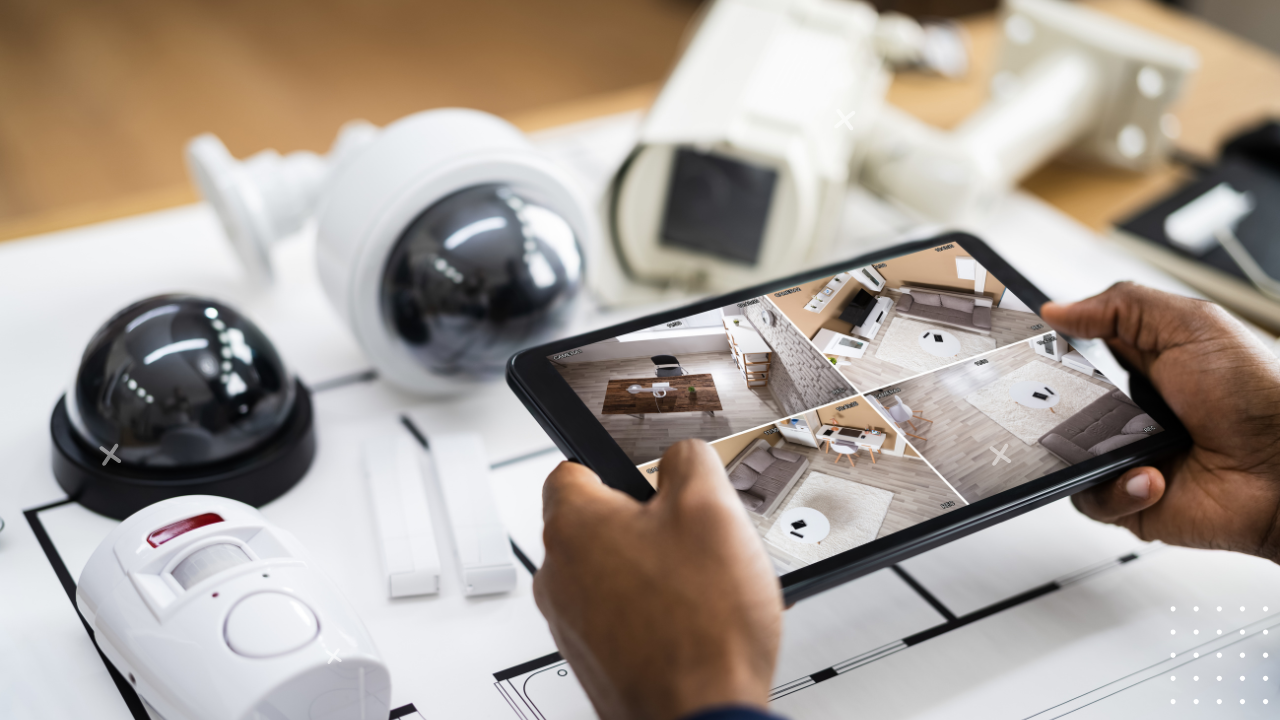
Security system integration has become one of the biggest conversations in modern building management—and for good reason.
Today’s buildings rely on multiple technologies working together. Access control systems manage who enters the building. Video surveillance monitors activity. Intrusion detection systems provide alerts. Remote monitoring platforms collect information in real time.
Because so many systems now exist within a single facility, integration feels like the natural next step.
And in many cases, it is.
At APEX Integrations, we’ve seen firsthand how effective security system integration can be when it’s designed properly. Done well, integration creates better visibility, faster response times, streamlined operations, and a more efficient experience for both security teams and building management.
But we’ve also seen the opposite.
We’ve walked into facilities where every possible system was connected together simply because the technology allowed it. What started as an effort to simplify operations ended up creating confusion, troubleshooting headaches, and systems that became harder to manage over time.
That’s why one of the most important things we tell clients is this:
Just because systems can be integrated doesn’t mean they should be.
The most effective security system integration strategies are intentional, practical, and designed around how the building actually operates.
What Security System Integration Really Means
At its core, security system integration is the process of connecting multiple systems so they communicate and function together.
Instead of operating independently, systems share information to improve awareness and response.
A common example is access control integrated with video surveillance.
When someone uses a credential to access a door, the video system can immediately display footage tied to that exact event. That allows security teams or management to quickly verify activity without manually searching through hours of recordings.
Another example is intrusion detection integrated with remote monitoring. If an alarm is triggered after hours, notifications can be sent to the appropriate personnel immediately, and video footage can be pulled up in real time.
These are the types of integrations that improve efficiency without overcomplicating operations.
Good security system integration is not about adding more technology. It’s about making existing technology work smarter together.
Why Businesses Are Moving Toward Security System Integration
Years ago, most systems operated separately.
A building might have:
- One platform for access control
- Another for cameras
- Another for intrusion alarms
- Separate monitoring processes
That often meant jumping between systems during an incident, manually reviewing footage, or piecing together information after the fact.
Modern security system integration changes that.
Now, organizations want centralized visibility. They want systems that provide information quickly, clearly, and in context.
And honestly, that makes sense.
Buildings have become more complex. Businesses are managing multiple locations, larger teams, more visitors, and higher security expectations than ever before.
Security system integration helps reduce friction by creating a more connected operational environment.
Where Security System Integration Works Extremely Well
Some integrations consistently deliver strong value by improving both security and day-to-day operations.
One of the best examples is integrating access control with video surveillance.
We see this all the time in commercial buildings. Someone badges into a restricted area, and security personnel can instantly confirm who entered and whether the credential use matches the video footage.
That level of verification creates stronger accountability and speeds up investigations when questions arise.
Another strong use case is integrating visitor management systems with access control.
Instead of manually managing temporary credentials, visitors can be pre-registered, checked in, and automatically granted limited access permissions for approved areas.
This improves efficiency while also maintaining tighter control over building access.
Remote monitoring integration is another area where organizations see significant benefits.
When alerts, cameras, and access systems communicate, responses become much faster and more informed. Instead of responding blindly to an alert, teams can immediately understand what is happening in real time.
That’s where security system integration becomes more than convenience—it becomes operationally valuable.
Where Security System Integration Starts Creating Problems
One of the biggest mistakes we see is over-integration.
A project begins with good intentions. The goal is to create a “fully connected building.” But over time, more systems are added, more platforms are layered on top of each other, and complexity starts to outweigh usability.
Suddenly:
- Troubleshooting becomes more difficult
- System updates impact multiple platforms
- One issue creates ripple effects elsewhere
- Staff struggle to manage day-to-day operations
We’ve seen buildings where security teams were overwhelmed not because the technology was bad—but because the integration strategy lacked focus.
Security system integration should simplify operations, not complicate them.
That’s an important distinction.
Why Fire Alarm Systems Require a Different Approach
One of the most common questions we hear is:
“Can we integrate our fire alarm system into everything else?”
Technically, some level of communication between systems may exist. But fire alarm systems are fundamentally different from traditional security systems.
Fire alarm systems are life safety systems. They are governed by strict codes and standards that prioritize reliability above all else.
That’s why security system integration involving fire systems has important limitations.
Trying to over-integrate fire systems can create compliance concerns or introduce unnecessary risk. Fire systems must operate independently and predictably during emergencies.
This is one area where “more connected” is not always better.
Understanding that distinction is critical when designing an integration strategy.
Security System Integration Should Be Designed Around Operations
One of the biggest mistakes organizations make is focusing entirely on technology while ignoring workflow.
The best security system integration projects start with operational questions first.
How does the building function day to day?
What information is actually useful during an incident?
What systems create inefficiencies right now?
What would make the response faster or clearer?
These questions matter more than simply asking what technologies can be connected.
At APEX Integrations, we always encourage clients to think operationally before thinking technically.
Because ultimately, successful security system integration is not measured by how many systems are connected—it’s measured by whether the integration improves the building experience.
The Importance of Scalability in Security System Integration
Another critical factor is scalability.
Buildings change over time. Businesses grow. Teams expand. Additional locations are added. Technology evolves.
A strong security system integration strategy should account for that growth.
We’ve worked with organizations that installed systems years ago without considering future expansion. As new technology was added, compatibility issues emerged, forcing costly upgrades or complete replacements.
Planning for scalability from the beginning helps organizations avoid those situations.
The goal is not just to meet today’s needs—but to create a flexible system that can evolve over time.
A Smarter Approach to Security System Integration
The best security system integration strategies are thoughtful and practical.
That means prioritizing:
- Simplicity
- Reliability
- Usability
- Long-term scalability
Not every system needs to communicate with every other system.
In many cases, selective integration delivers better results than building a single massive interconnected platform.
We often tell clients that the goal of integration is clarity—not complexity.
And when systems are designed with that mindset, the results are significantly more effective.
Final Thoughts
Security system integration can absolutely improve visibility, efficiency, and security when it’s done correctly.
But integration should never happen simply because technology allows it.
The most successful systems are those intentionally designed around how a building actually functions.
At the end of the day, good security system integration is not about connecting everything.
It’s about connecting the right things in the right way.
And when that happens, buildings become easier to manage, respond faster, and are more secure overall.
FAQs: Security System Integration
What is security system integration?
Security system integration is the process of connecting systems like access control, video surveillance, and intrusion detection so they communicate and function together.
What systems are commonly integrated?
Common integrations include access control with video surveillance, intrusion detection with monitoring systems, and visitor management with credential systems.
Does security system integration improve security?
Yes. When done correctly, integration improves visibility, response time, accountability, and operational efficiency.
Can all building systems be integrated together?
No. Some systems, especially fire alarm systems, have significant limitations due to code and life-safety requirements.
Why can over-integration become a problem?
Over-integration can create unnecessary complexity, making systems harder to manage, troubleshoot, and maintain over time.
Is security system integration expensive?
Costs vary depending on the systems involved, but strategic integration often improves efficiency and reduces long-term operational challenges.
Who should manage a security system integration project?
An experienced integration partner who understands security systems, operations, compliance requirements, and long-term scalability.
How do I know if my building needs security system integration?
If your organization is managing multiple disconnected systems, struggling with visibility, or experiencing operational inefficiencies, integration may provide significant value.