
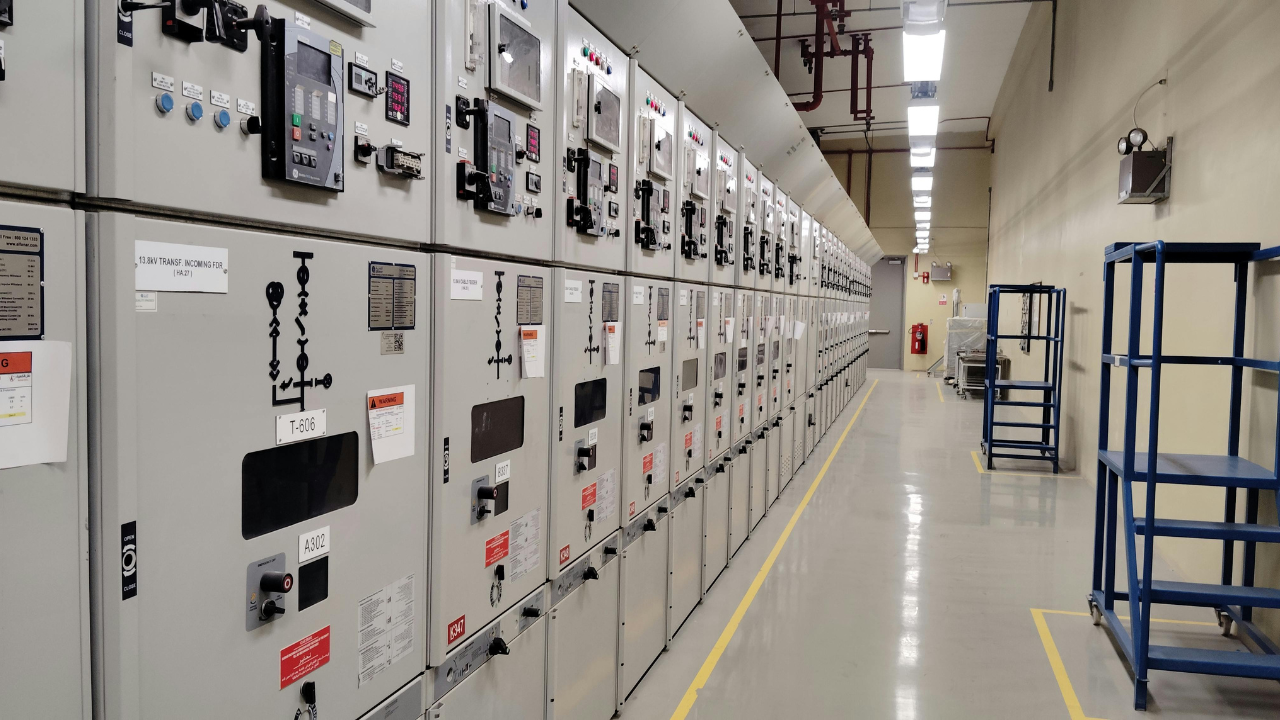
Most building owners focus on visible fire alarm devices such as smoke detectors, pull stations, and notification appliances. However, one of the most critical components of any commercial fire alarm system is often hidden away in an electrical room or maintenance area—the fire alarm control panel.
The fire alarm control panel serves as the brain of the entire system. Every detector, notification device, monitoring connection, and emergency communication pathway ultimately relies on the panel to receive, process, and transmit information.
While fire alarm systems are designed for long-term reliability, fire alarm control panels do not last forever. Aging equipment, discontinued components, evolving technology, and changing compliance requirements can all create situations where replacement becomes the smartest long-term solution.
Knowing the signs of an aging fire alarm control panel can help building owners avoid unexpected failures, reduce maintenance costs, and maintain reliable protection for occupants.
What Does a Fire Alarm Control Panel Do?
The fire alarm control panel monitors all connected devices throughout the building.
Its functions include:
- Receiving signals from detectors
- Processing alarm conditions
- Activating horns and strobes
- Communicating with monitoring centers
- Recording system activity
- Reporting trouble conditions
- Managing emergency notifications
Without a functioning control panel, the entire fire alarm system can be compromised.
This is why the condition of the panel should be a key consideration during every fire alarm inspection and long-term facility planning discussion.
How Long Does a Fire Alarm Control Panel Last?
There is no universal expiration date for fire alarm panels, but many systems begin to show their age after 15 to 20 years.
Several factors influence lifespan, including:
- Environmental conditions
- System usage
- Manufacturer support
- Availability of replacement parts
- Technology advancements
- Maintenance history
While some older systems continue operating, age alone should not be the only factor considered.
The bigger question is whether the system can continue to operate reliably and be supported effectively.
Warning Sign #1: Replacement Parts Are Becoming Difficult to Find
One of the clearest indicators that a fire alarm control panel replacement should be considered is the availability of replacement parts.
Manufacturers eventually discontinue products.
When this happens:
- Parts become harder to source
- Repair costs increase
- Downtime risks grow
- Emergency service becomes more challenging
Many building owners discover this problem only after a failure occurs.
A simple component issue can quickly become a major problem when replacement parts are no longer readily available.
Warning Sign #2: Frequent Trouble Signals
Occasional trouble conditions are normal.
However, recurring trouble signals may indicate deeper issues within the system.
Examples include:
- Communication failures
- Device connection problems
- Ground faults
- Power supply issues
- Intermittent network problems
When technicians repeatedly address similar issues, it may be time to evaluate whether continued repairs are the most cost-effective approach.
Repeated service calls can often exceed the value of a planned system upgrade.
Warning Sign #3: The Building Has Expanded
Commercial facilities often evolve over time.
Additional office space, renovations, tenant improvements, and occupancy changes can place new demands on an existing fire alarm system.
Older control panels may struggle to accommodate:
- Additional devices
- New building wings
- Modern notification requirements
- Expanded monitoring needs
A fire alarm control panel replacement may provide the capacity needed for future growth while simplifying system management.
Warning Sign #4: Increased Maintenance Costs
As equipment ages, maintenance expenses typically increase.
Building owners may notice:
- More service visits
- Higher repair costs
- Longer troubleshooting times
- Greater operational disruptions
When maintenance costs continue rising year after year, replacement often becomes the more financially responsible decision.
Rather than spending money on repeated repairs, organizations can invest in modern equipment with improved reliability and support.
Warning Sign #5: Limited Reporting and Diagnostics
Today’s intelligent fire alarm systems offer significantly more information than older systems.
Modern addressable fire alarm systems can:
- Identify specific device locations
- Track maintenance history
- Provide detailed diagnostics
- Improve troubleshooting efficiency
- Generate comprehensive reports
Older control panels may provide only basic alarm information, making maintenance and emergency response more challenging.
For large facilities, this lack of visibility can create unnecessary operational difficulties.
Warning Sign #6: Compliance and Code Changes
Building codes and fire protection requirements continue to evolve.
While older systems may have been compliant when installed, changes to occupancy, renovations, or local requirements may trigger system upgrades.
Examples include:
- Building additions
- Occupancy changes
- Life safety improvements
- Fire department recommendations
- Insurance requirements
A fire alarm control panel replacement can help align the system with current standards while supporting future compliance efforts.
Why Many Facilities Upgrade to Addressable Fire Alarm Systems
When replacing a fire alarm control panel, many organizations choose to transition to addressable technology.
Addressable fire alarm systems offer significant advantages.
Exact Device Identification
Instead of identifying a general zone, the panel identifies the exact detector or device involved.
Faster Emergency Response
Emergency personnel can respond more efficiently when alarm locations are clearly identified.
Easier Maintenance
Technicians can diagnose issues faster and more accurately.
Improved Scalability
Future expansions are often easier to accommodate.
Better Long-Term Support
Modern platforms typically offer stronger manufacturer support and product availability.
These benefits are particularly valuable for:
- Healthcare facilities
- Schools and universities
- Property management companies
- Apartment communities
- Commercial office buildings
- Industrial facilities
The Role of Professional Programming
Replacing a fire alarm control panel involves much more than swapping hardware.
The new system must be:
- Programmed correctly
- Tested thoroughly
- Integrated with monitoring services
- Verified for code compliance
Improper programming can create operational issues and compromise system performance.
Working with certified technicians ensures the transition is completed properly.
At APEX Integrations, our certified Kidde and Edwards technicians install, program, test, inspect, and maintain commercial fire alarm systems tailored to each facility’s needs.
Planning Ahead Reduces Risk
One of the biggest mistakes building owners make is waiting until a control panel fails completely before developing a replacement strategy.
Proactive planning provides several benefits:
- Better budgeting
- Reduced emergency costs
- Improved scheduling flexibility
- Enhanced compliance management
- Less disruption to building operations
For organizations managing multiple properties, phased upgrades can make replacement projects more manageable and cost-effective.
Frequently Asked Questions
How long does a fire alarm control panel last?
Most fire alarm control panels remain in service for approximately 15 to 20 years, although lifespan varies depending on the system and operating environment.
Can an old panel still pass inspection?
Yes, but passing an inspection does not necessarily mean the system is operating at optimal reliability or that replacement parts remain available.
What is the biggest reason panels are replaced?
Obsolete equipment and unavailable replacement parts are among the most common reasons organizations replace fire alarm control panels.
Can a control panel be upgraded without replacing all devices?
In many cases, yes. However, compatibility requirements vary depending on the existing equipment and manufacturer.
What are the benefits of upgrading to an addressable system?
Addressable systems provide exact device identification, improved diagnostics, easier maintenance, and greater flexibility for future expansion.
How can building owners prepare for a future replacement?
Annual inspections, system evaluations, and long-term capital planning can help organizations prepare before equipment reaches the end of its service life.
Is Your Fire Alarm Control Panel Nearing End of Life?
Aging fire alarm control panels often provide warning signs long before failure occurs. Evaluating system age, maintenance history, repair costs, and future facility needs can help building owners make informed decisions before problems become emergencies.
APEX Integrations provides fire alarm inspections, upgrades, programming, monitoring, and replacement services for commercial facilities throughout the region.
How old is your fire alarm control panel? If you’re unsure, now may be the perfect time to schedule a professional assessment and develop a long-term plan for your facility.