
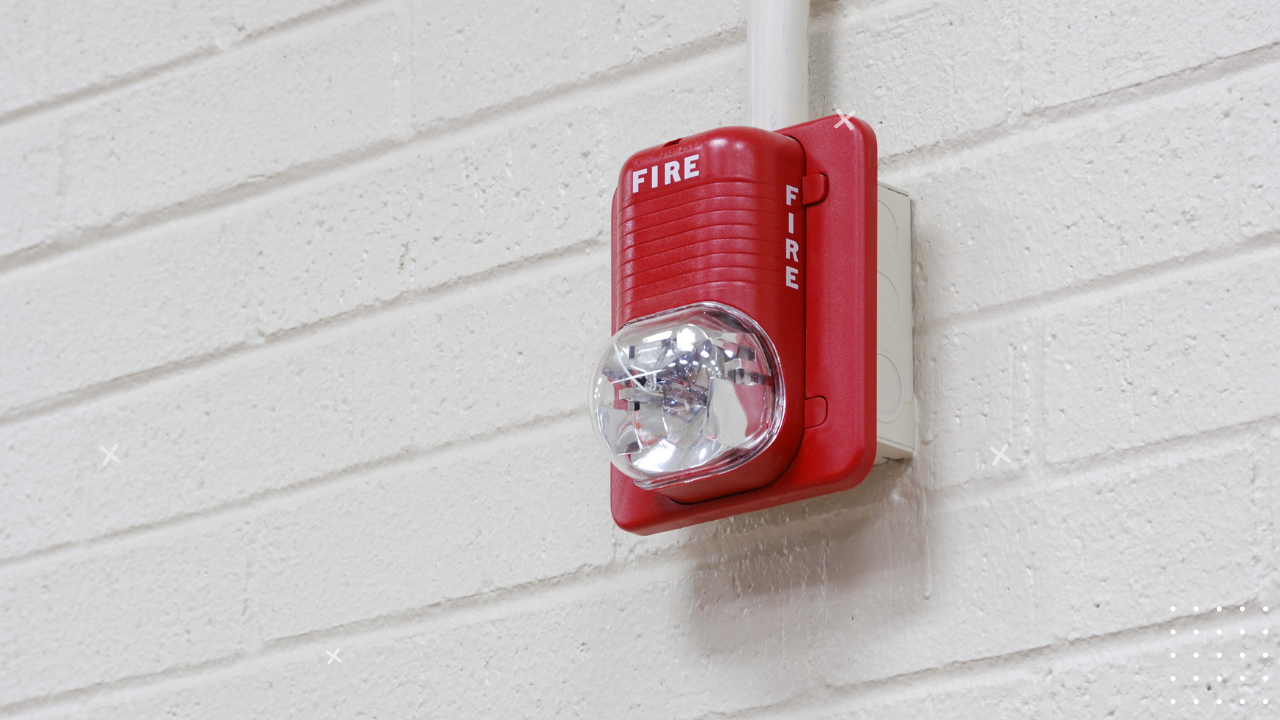
Why Fire Alarm Testing and Inspection Is More Than a Requirement
For many business owners and facility managers, fire alarm testing and inspection is often viewed as a routine compliance task—something you schedule because you have to.
But in reality, it’s much more than that.
A properly maintained fire alarm system is your first line of defense in protecting lives, property, and business continuity. When inspections are done correctly—and consistently—they don’t just help you meet code requirements. They help prevent costly disruptions, reduce liability, and ensure your system performs when it matters most.
This is where NFPA fire alarm inspection standards, specifically NFPA 72, come into play.
What Is NFPA 72 and Why Does It Matter
The National Fire Alarm and Signaling Code (NFPA 72) establishes the standard for the installation, testing, inspection, and maintenance of fire alarm systems.
These guidelines are not optional—they are widely adopted by local jurisdictions and enforced by Authorities Having Jurisdiction (AHJs).
NFPA 72 outlines:
- How often systems must be tested (monthly, quarterly, annually)
- What components must be inspected (control panels, detectors, notification devices)
- Documentation and reporting requirements
- Performance standards for system reliability
Failing to meet these requirements can lead to:
- Failed inspections
- Fines and penalties
- Increased liability
- Insurance complications
But beyond compliance, following NFPA standards ensures your system actually works in an emergency—not just on paper.
The Role of Scheduled Fire Alarm Maintenance
A scheduled fire alarm maintenance program takes the guesswork out of compliance.
Instead of reacting to issues or scrambling before inspections, a structured program ensures your system is consistently monitored, tested, and documented throughout the year.
What a Strong Maintenance Program Includes
A comprehensive fire alarm testing and inspection program should cover:
- Routine Testing: Verifying detectors, alarms, and communication systems function properly
- System Inspections: Checking for wear, damage, or environmental impact
- Battery and Power Supply Checks: Ensuring backup systems are operational
- Device Sensitivity Testing: Confirming detectors respond within required thresholds
- Software & Panel Review: Verifying system programming and signals
- Detailed Reporting: Documenting all findings for compliance and audits
This proactive approach minimizes risk and ensures you’re always prepared for an official NFPA fire alarm inspection.
How Regular Inspections Reduce False Alarms
False alarms are more than just an inconvenience—they can be costly and disruptive.
Frequent false alarms can:
- Interrupt business operations
- Lead to fines from local fire departments
- Cause unnecessary emergency responses
- Reduce confidence in your system
Regular fire alarm testing and inspection help identify issues like:
- Dirty or overly sensitive detectors
- Faulty wiring or connections
- Environmental interference (dust, humidity, temperature changes)
- Outdated or malfunctioning components
By addressing these issues early through scheduled fire alarm maintenance, you significantly reduce the likelihood of false alarms.
Avoiding Fines and Compliance Issues
One of the biggest risks of neglecting NFPA fire alarm inspection requirements is financial penalties.
Authorities Having Jurisdiction (AHJs) require documentation that proves:
- Inspections were completed on time
- Systems were tested according to NFPA 72 standards
- Any deficiencies were corrected
Without proper records, even a functioning system can fail inspection.
The Importance of Documentation
A professional fire alarm testing and inspection program provides:
- Digital inspection reports
- Deficiency tracking and resolution logs
- Compliance-ready documentation
- Historical records for audits and insurance
This level of documentation not only protects your business but also simplifies compliance year after year.
Minimizing Downtime and Business Disruption
Unexpected system failures can bring operations to a halt.
Imagine:
- A system fault that shuts down your building
- A failed inspection that delays occupancy permits
- Emergency repairs that disrupt daily operations
These scenarios are not uncommon when systems are not maintained regularly.
With scheduled fire alarm maintenance, you move from reactive to proactive.
Benefits of Proactive Maintenance
- Identify issues before they become critical
- Schedule repairs during non-peak hours
- Maintain continuous system reliability
- Avoid last-minute compliance issues
Ultimately, this protects your bottom line and keeps your operations running smoothly.
What to Look for in a Fire Alarm Inspection Partner
Not all service providers deliver the same level of expertise.
When choosing a provider for fire alarm testing and inspection, look for:
1. NFPA 72 Expertise
Your provider should have a deep understanding of NFPA fire alarm inspection standards and stay up to date on updates.
2. Certified Technicians
Proper certifications ensure inspections are performed correctly and recognized by AHJs.
3. Detailed Reporting Systems
Digital, easy-to-access reports are critical for compliance and internal tracking.
4. Scheduled Maintenance Programs
A partner should proactively manage your inspection schedule—not leave it up to you.
5. Clear Communication
You should always understand the condition of your system and any recommended actions.
The Long-Term Value of NFPA-Compliant Programs
Investing in a structured fire alarm testing and inspection program isn’t just about compliance—it’s about long-term protection.
Over Time, You Gain:
- Fewer system failures
- Reduced emergency repair costs
- Lower risk of fines
- Improved safety for occupants
- Greater peace of mind
And perhaps most importantly, confidence that your system will perform when it’s needed most.
Compliance Is Just the Beginning
NFPA compliance sets the standard—but real value comes from consistency.
A well-executed NFPA fire alarm inspection and maintenance program ensures your system is always ready, your documentation is always complete, and your business is always protected.
If your current approach is reactive or inconsistent, now is the time to shift to a structured, scheduled fire alarm maintenance program that works for you—not against you.
FAQs: Fire Alarm Testing and Inspection
How often is fire alarm testing and inspection required?
NFPA 72 outlines varying testing frequencies based on component type, including monthly, quarterly, semiannual, and annual testing requirements.
What happens if I fail an NFPA fire alarm inspection?
You may face fines, be required to correct deficiencies immediately, and risk operational disruptions depending on your local AHJ requirements.
Can regular maintenance reduce false alarms?
Yes. Scheduled fire alarm maintenance helps identify and resolve issues like dirty sensors or faulty wiring, which are common causes of false alarms.
What documentation is required for compliance?
You need detailed inspection reports, records of completed tests, and documentation showing that any deficiencies were addressed.
Is fire alarm maintenance required even if the system appears to be working?
Absolutely. Many issues are not visible without proper testing. Routine inspections ensure your system works when needed—not just when it appears to.