
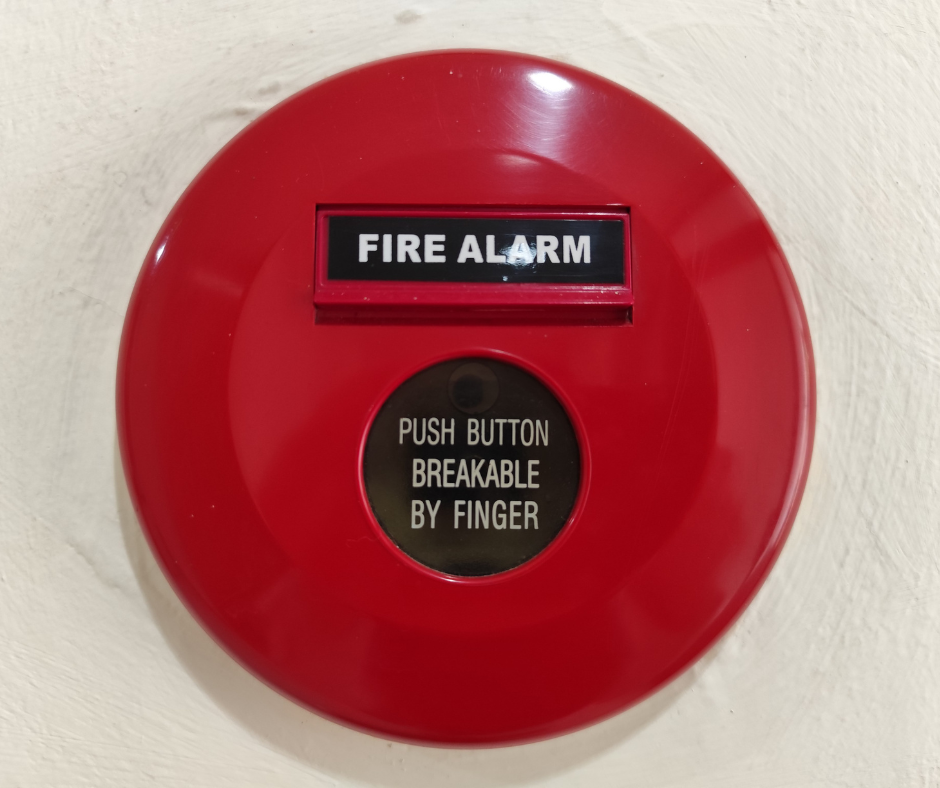
For commercial property owners, executives, and board members, fire and security system compliance is not simply a facilities issue—it is a critical part of organizational risk management.
Fire alarm systems protect occupant safety and must meet strict life-safety codes. Security systems protect property, access, and operations. Both systems carry regulatory responsibilities that can affect building occupancy, insurance coverage, and legal liability.
When systems fail inspections or are not properly maintained, organizations can face operational disruptions, financial penalties, and reputational damage.
Understanding how compliance works—and how to maintain it—is essential for responsible building ownership and leadership.
At APEX Integrations, we help organizations across Massachusetts maintain compliant, reliable fire alarm systems and modern security platforms that support both safety and operational protection.
Why Fire and Security System Compliance Is a Leadership Responsibility
Regulatory compliance is increasingly viewed as a leadership responsibility rather than just a facilities task.
Boards and executive teams are responsible for ensuring that buildings operate safely and meet regulatory standards.
Fire and security system compliance affects leadership in several ways:
- Legal responsibility to provide safe facilities
- Financial exposure if systems fail inspections
- Insurance eligibility and premium considerations
- Risk oversight for life-safety infrastructure
- Reputation and stakeholder confidence
When compliance issues occur, leadership teams often become directly involved in resolving them.
Understanding Fire Alarm Compliance Requirements
Fire alarm systems are classified as life-safety systems, meaning they must meet strict regulatory requirements.
Compliance typically includes:
- Fire alarm system inspections and testing
- Fire alarm panel monitoring and communication systems
- Routine service and maintenance of fire alarm equipment
- Proper documentation of inspections and repairs
- Approval by the Authority Having Jurisdiction (AHJ)
These requirements help ensure systems will detect fire conditions and notify occupants quickly during emergencies.
Failure to meet these requirements can delay building occupancy or result in code violations.
Understanding Security System Compliance
Security systems are designed to protect property, control access, and monitor activity within facilities.
Common compliance considerations include:
- Installation and maintenance of video surveillance systems
- Access control system configuration and credential management
- Intrusion detection system monitoring
- Security system documentation and maintenance records
- Data privacy and system security policies
While security systems are not governed by the same life-safety codes as fire alarm systems, they remain an essential part of protecting facilities and managing organizational risk.
Risks of Non-Compliant Fire and Security Systems
Failure to maintain compliant systems can expose organizations to multiple types of risk.
Legal and Liability Risk
If an incident occurs and systems are found to be noncompliant, organizations may face:
- Regulatory penalties
- Civil liability claims
- Increased scrutiny during investigations
- Allegations of negligence
Proper documentation and inspection records are often key evidence in demonstrating compliance.
Financial Risk
Noncompliance frequently leads to unplanned costs.
These may include:
- Emergency system upgrades following failed inspections
- Regulatory fines or penalties
- Increased insurance premiums
- Business interruption during remediation
- Unexpected capital expenditures
Preventive compliance management is far more cost-effective than reactive corrections.
Operational and Reputational Risk
Compliance failures can also disrupt normal operations and damage organizational credibility.
Possible consequences include:
- Delayed certificates of occupancy
- Tenant dissatisfaction or loss
- Negative publicity after safety incidents
- Reduced confidence from investors or stakeholders
For organizations with public visibility or fiduciary responsibilities, these risks can be significant.
Documentation: A Critical Part of Compliance
One of the most common compliance failures is missing or incomplete documentation.
Even when systems are functioning properly, lack of documentation can cause facilities to fail inspections.
Key compliance documentation includes:
- Fire alarm inspection and testing reports
- Commissioning records
- System diagrams and as-built documentation
- Service and maintenance logs
- Certification and approval records
Maintaining organized records helps organizations demonstrate due diligence during audits, inspections, or investigations.
How Certified System Professionals Support Compliance
Maintaining compliant fire and security systems requires specialized expertise.
Certified system professionals help organizations:
- Design systems that meet applicable codes
- Install equipment according to manufacturer standards
- Perform proper testing and verification
- Coordinate with inspectors and AHJs
- Maintain systems through ongoing service and inspections
Working with experienced system providers helps organizations reduce risk and maintain regulatory standing.
Preparing for Fire and Security System Inspections
Inspections are a routine requirement for many commercial facilities.
Organizations that maintain proper documentation and system maintenance are far better prepared when inspections occur.
Inspection-ready facilities typically have:
- Clearly labeled system components
- Accessible testing points
- Verified system functionality
- Updated documentation and service records
- Consistent maintenance schedules
Preparation helps avoid costly delays or compliance violations.
Best Practices for Maintaining Fire and Security System Compliance
Organizations can reduce compliance risk by treating fire and security systems as part of broader risk management.
Recommended best practices include:
- Conducting regular system inspections and testing
- Working with certified system professionals
- Maintaining organized compliance documentation
- Budgeting for upgrades and code changes
- Aligning facilities management with organizational risk policies
These steps help ensure systems remain compliant and reliable over time.
Compliance Protects People, Property, and Organizations
Fire and security system compliance is not simply a regulatory obligation—it is a safeguard that protects occupants, facilities, and leadership from avoidable risk.
When systems are properly installed, inspected, and maintained, they support safe operations and long-term organizational stability.
APEX Integrations works with organizations across Massachusetts to deliver reliable fire alarm and security system solutions designed to meet regulatory requirements and protect facilities when it matters most.
Frequently Asked Questions
What is fire and security system compliance?
Fire and security system compliance refers to meeting regulatory requirements related to installation, testing, inspection, and documentation of building safety and security systems.
Who regulates fire alarm systems?
Fire alarm systems are typically regulated by local fire codes and the Authority Having Jurisdiction (AHJ), which may include fire marshals or building officials.
How often must fire alarm systems be inspected?
Inspection frequency depends on local regulations, but most commercial fire alarm systems require regular testing and documented inspections.
Do security systems have compliance requirements?
Yes. While not governed by life-safety codes, security systems must still follow installation standards, data protection policies, and operational best practices.
Why is documentation important for compliance?
Documentation proves that systems are properly maintained and tested, which is essential during inspections, insurance reviews, or incident investigations.