
For decades, traditional keys have been the standard method of securing commercial buildings. Offices, schools, healthcare facilities, apartment communities, and industrial properties have all relied on locks and keys to control access.
While keys may seem simple and familiar, they present challenges that many organizations no longer want to manage. Lost keys, unauthorized duplication, employee turnover, and limited visibility into building access have made traditional key systems increasingly difficult to justify.
As security technology continues to evolve, commercial access control systems are becoming the preferred solution for organizations seeking to enhance security, streamline management, and gain greater control over their facilities.
Today’s access control systems do far more than unlock doors. They provide visibility into who enters a building, when they enter, where they can go, and how access can be managed across an entire organization.
The Hidden Problems With Traditional Keys
Most organizations don’t think about their key system until something goes wrong.
Common issues include:
- Lost keys
- Stolen keys
- Employee turnover
- Unauthorized key duplication
- Re-keying expenses
- Lack of audit trails
- Limited control over access
When an employee leaves a company, many organizations face an important question:
“Do they still have a key?”
In many cases, there is no easy way to know.
The result is often costly lock replacements or re-keying projects that consume time and money.
What Is a Commercial Access Control System?
A commercial access control system replaces traditional keys with electronic credentials, enabling organizations to manage building access more effectively.
Instead of relying on physical keys, users may gain access using:
- Key cards
- Key fobs
- Mobile credentials
- PIN codes
- Biometric authentication
These credentials communicate with electronic readers installed at secured doors.
Administrators can then control who has access, when they have access, and which areas they can enter.
Greater Control Over Building Security
One of the biggest advantages of commercial access control systems is the ability to centrally manage access.
Rather than distributing physical keys, administrators can:
- Add new users
- Remove access privileges
- Adjust schedules
- Restrict access areas
- Monitor activity
This level of control significantly improves overall security while reducing administrative burden.
Instant Credential Deactivation
When a traditional key is lost, the solution is often expensive.
Locks may need to be replaced or re-keyed to maintain security.
With electronic access control, lost credentials can often be deactivated immediately.
The user receives a new credential while the lost credential becomes useless.
This simple capability can save organizations significant time and money.
Access Schedules Improve Security
Not everyone needs access to every area at all times.
Access control systems allow organizations to create schedules based on operational needs.
Examples include:
- Employees during business hours
- Maintenance personnel during specific shifts
- Vendors during approved service windows
- Cleaning crews after hours
These schedules help reduce unnecessary access while improving overall security.
Real-Time Audit Trails
One of the most valuable features of modern access control systems is the audit trail.
Traditional key systems provide little visibility into building activity.
Access control systems record:
- Who entered
- When they entered
- Which door was used
- Credential activity
- Access attempts
This information can be extremely valuable when investigating incidents or reviewing operational activity.
Benefits for Property Management Companies
Property managers often face unique access control challenges.
Managing keys across multiple buildings can become difficult as portfolios grow.
Access control systems help simplify:
- Resident access
- Vendor access
- Maintenance access
- Common area security
- Amenity space management
Electronic credentials provide greater flexibility while reducing key management headaches.
Why Schools Are Moving Toward Access Control
Educational facilities continue to place greater emphasis on building security.
Access control systems help schools:
- Secure entrances
- Manage visitor access
- Restrict sensitive areas
- Support emergency procedures
- Monitor building activity
Rather than relying solely on physical keys, administrators gain greater visibility and control.
Healthcare Facilities Require Greater Access Management
Healthcare organizations face unique security requirements.
Certain areas may require restricted access due to:
- Patient privacy
- Medication storage
- Medical records
- Equipment security
- Staff safety
Access control systems help healthcare facilities manage these challenges while maintaining efficient operations.
Mobile Credentials Are Changing Access Control
Many organizations are now adopting mobile credentials that allow users to access buildings using smartphones.
Benefits include:
- Reduced credential replacement costs
- Improved convenience
- Faster deployment
- Enhanced security
- Simplified administration
As mobile technology continues to evolve, adoption is expected to increase across many industries.
Wireless Locks Expand Access Control Options
Wireless lock technology has created new opportunities for organizations that want enhanced security without extensive wiring projects.
Wireless solutions can be particularly beneficial for:
- Apartment communities
- Educational campuses
- Senior living facilities
- Multi-building properties
- Historic buildings
These systems provide many of the same benefits as traditional access control while simplifying installation.
Integrating Access Control With Other Security Systems
Modern access control systems often work alongside:
- Security cameras
- Video management systems
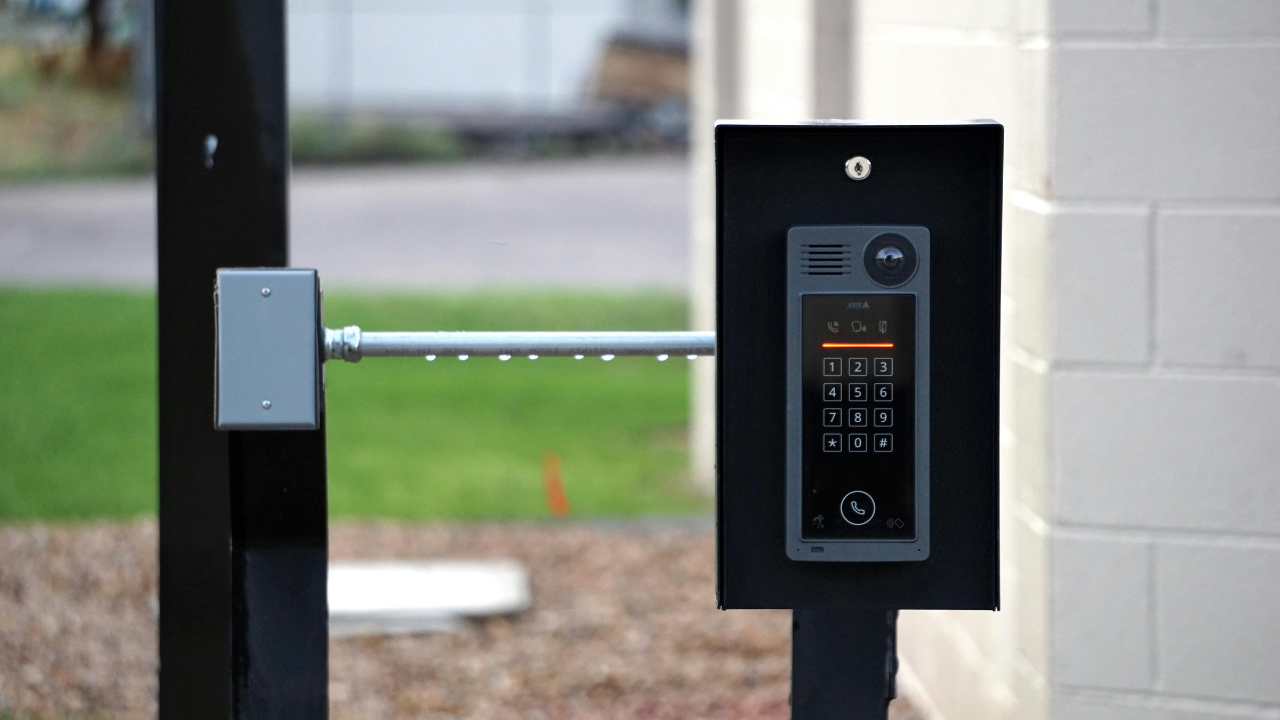
- Intercom systems
- Visitor management platforms
- Alarm systems
Integration creates a more comprehensive security environment.
For example, administrators may be able to review video associated with specific access events, providing additional context during investigations.
Improving Operational Efficiency
Access control is not just about security.
Many organizations also discover operational benefits.
These include:
- Reduced key management
- Faster onboarding
- Simplified credential administration
- Better reporting
- Improved accountability
Over time, these efficiencies can create measurable value.
Planning for Future Growth
Organizations should consider future needs when evaluating access control systems.
Questions to consider include:
- Will additional buildings be added?
- Are more users expected?
- Will mobile credentials be needed?
- Are integrations planned?
- Will remote management be important?
A scalable system can help support future growth while protecting the initial investment.
Choosing the Right Access Control Partner
Successful access control projects require more than hardware selection.
Organizations should work with experienced professionals who understand:
- Security objectives
- Facility operations
- User management
- Integration opportunities
- Future expansion needs
At APEX Integrations, we help organizations design and implement access control solutions that improve security while supporting operational goals.
Frequently Asked Questions
What is a commercial access control system?
A commercial access control system uses electronic credentials and door readers to manage building access rather than traditional keys.
Are access control systems more secure than keys?
In most cases, yes. Access control systems provide greater visibility, audit trails, credential management, and access scheduling capabilities.
What happens if a key card is lost?
The credential can typically be deactivated immediately and replaced without changing locks.
Can access control systems work with mobile phones?
Yes. Many modern systems support mobile credentials that allow users to access buildings using smartphones.
Can access control systems integrate with security cameras?
Yes. Many platforms integrate with video surveillance systems to enhance visibility and investigative capabilities.
Are access control systems suitable for multi-building properties?
Absolutely. Access control systems are widely used across apartment communities, schools, healthcare campuses, and commercial property portfolios.
Is Your Organization Still Relying on Traditional Keys?
While keys may still serve a purpose in some environments, many organizations are discovering that modern access control systems provide greater security, improved visibility, and more efficient management.
APEX Integrations designs and installs commercial access control systems that help organizations protect people, property, and assets while simplifying day-to-day operations.
If you could instantly control access to every door in your facility from a single platform, how would that change the way you manage security?