
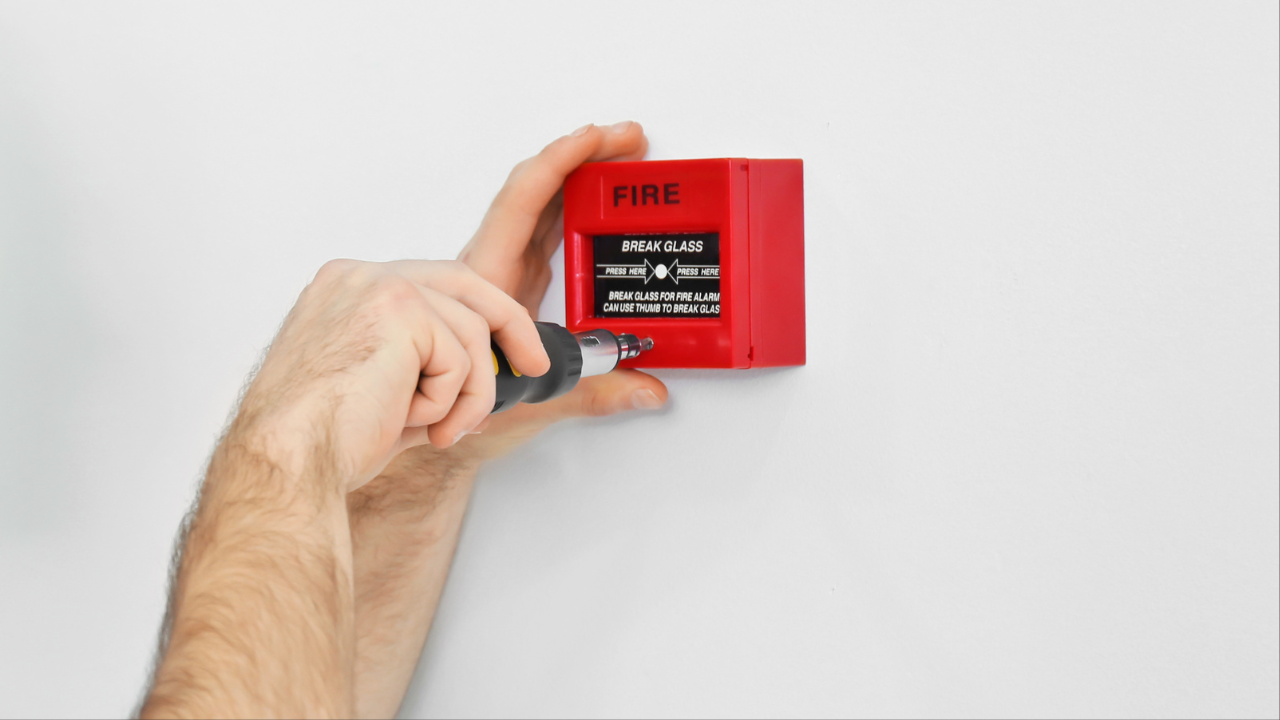
Many organizations invest significant resources into security cameras, access control systems, video management platforms, and intrusion detection systems. Once the equipment is installed and operational, however, security systems often receive far less attention than they should.
Unlike fire alarm systems, which typically have mandatory inspection schedules, security systems are frequently overlooked until a problem occurs.
Unfortunately, waiting for a failure to discover an issue can leave organizations vulnerable to security incidents, compliance concerns, operational disruptions, and unexpected repair costs.
A proactive security system inspection program helps ensure that cameras are recording properly, that access control systems are functioning as intended, that software remains current, and that critical security infrastructure continues to support organizational objectives.
For schools, healthcare facilities, apartment communities, commercial office buildings, and corporate campuses, annual security system inspections have become an increasingly important part of responsible facility management.
Why Security Systems Need Regular Inspections
Security technology is often expected to operate continuously.
Many systems run 24 hours a day, 365 days a year.
Over time, equipment experiences wear, environmental exposure, software changes, network modifications, and evolving cybersecurity threats.
Without periodic inspections, organizations may not discover problems until after an incident occurs.
Examples include:
- Cameras no longer recording
- Blurry video footage
- Failed hard drives
- Access control communication issues
- Outdated firmware
- Network connectivity problems
- Cybersecurity vulnerabilities
Regular inspections help identify these issues before they impact security operations.
Security Systems Are More Complex Than Ever
Today’s commercial security systems involve far more than cameras mounted on walls.
Modern systems may include:
- Video surveillance cameras
- Access control systems
- Video management software
- Cloud platforms
- License plate recognition
- Video analytics
- Intrusion detection
- Intercom systems
- Wireless locks
- Mobile credentials
Because these technologies often work together, a problem within one component can affect the overall system.
Routine inspections help verify that all components continue functioning properly.
Camera Performance Verification
One of the most important aspects of a security system inspection is evaluating camera performance.
Many organizations assume cameras are operating correctly simply because they appear online.
However, inspections often uncover issues such as:
- Dirty lenses
- Poor image quality
- Misaligned cameras
- Recording failures
- Obstructed views
- Environmental damage
A camera that is technically online but producing unusable footage may provide little value during an investigation.
Regular reviews help ensure video quality remains sufficient for security needs.
Video Retention and Storage Reviews
Video storage is a critical part of any surveillance program.
Organizations often establish retention goals based on:
- Internal policies
- Risk management requirements
- Incident investigation needs
- Operational objectives
Over time, storage issues can develop without obvious warning signs.
Annual inspections help verify:
- Retention periods
- Recording schedules
- Storage capacity
- Archive functionality
- System performance
This helps ensure footage is available when needed.
Access Control System Testing
Access control systems play a major role in facility security.
An inspection should verify that:
- Card readers operate correctly
- Door hardware functions properly
- Credentials are current
- User permissions remain appropriate
- Schedules are accurate
- Emergency functions operate as intended
Organizations often experience personnel changes throughout the year.
Reviewing access privileges helps reduce unnecessary risk while maintaining operational efficiency.
Reviewing User Permissions
One commonly overlooked area of security system management is user access.
Over time, organizations may accumulate:
- Former employees
- Inactive accounts
- Temporary users
- Outdated permissions
An annual review provides an opportunity to clean up user databases and ensure access rights align with current responsibilities.
This simple step can significantly improve security posture.
Software and Firmware Updates
Security technology evolves rapidly.
Manufacturers regularly release updates that may address:
- Performance improvements
- Security vulnerabilities
- Feature enhancements
- Compatibility updates
- Bug fixes
Failing to maintain current software versions can increase operational and cybersecurity risks.
Security system inspections should include a review of software and firmware status across all major components.
Cybersecurity Is Now Part of Physical Security
Modern security systems rely heavily on network connectivity.
As a result, cybersecurity has become an important consideration for security system management.
Annual inspections can help identify:
- Weak passwords
- Outdated software
- Improper configurations
- Unnecessary user accounts
- Network vulnerabilities
Addressing these issues helps protect both physical and digital assets.
Testing Video Analytics Features
Organizations using advanced analytics should periodically verify that these tools continue operating properly.
Examples include:
- Line crossing detection
- Vehicle detection
- Loitering alerts
- People counting
- License plate recognition
- Attribute-based searches
Testing ensures analytics remain properly configured and aligned with organizational goals.
Benefits for Schools and Universities
Educational facilities often manage:
- Multiple buildings
- Numerous cameras
- Access-controlled entrances
- Large student populations
Routine inspections help ensure systems remain effective while supporting campus safety initiatives.
Schools also benefit from reviewing emergency response procedures and access control permissions annually.
Benefits for Healthcare Facilities
Healthcare organizations face unique security challenges.
Inspections can help verify:
- Restricted area protection
- Pharmacy security
- Visitor access management
- Emergency department monitoring
- Staff access controls
Given the sensitive nature of healthcare environments, system reliability is particularly important.
Benefits for Property Management Companies
Property managers often oversee multiple locations with varying security requirements.
Annual inspections help maintain consistency across:
- Apartment communities
- Commercial office properties
- Mixed-use developments
- Common areas
- Parking facilities
Reviewing systems proactively can reduce emergency service calls and improve tenant satisfaction.
Why Documentation Matters
Security inspections should produce clear documentation outlining:
- System status
- Identified deficiencies
- Recommended improvements
- Equipment conditions
- Service history
These records help organizations make informed decisions about maintenance, upgrades, and future investments.
Documentation also provides valuable insight into long-term system performance.
Developing a Long-Term Security Strategy
The best security programs take a proactive approach.
Annual inspections provide opportunities to evaluate:
- Aging equipment
- Future expansion needs
- Technology upgrades
- Cybersecurity concerns
- Operational goals
Rather than reacting to failures, organizations can develop strategic plans that improve security while controlling costs.
Frequently Asked Questions
How often should a commercial security system be inspected?
Most organizations benefit from annual inspections, although certain environments may require more frequent evaluations.
What is included in a security system inspection?
Inspections may include camera testing, access control reviews, software verification, storage evaluations, cybersecurity assessments, and system performance reviews.
Why should access control systems be tested annually?
Annual reviews help ensure permissions remain accurate, hardware functions properly, and security policies are being enforced effectively.
Can inspections identify cybersecurity concerns?
Yes. Security system inspections often include reviews of software versions, user accounts, passwords, and network-related risks.
Are inspections important if the system appears to be working?
Absolutely. Many issues develop gradually and may not become apparent until after an incident occurs.
Who benefits most from annual security inspections?
Schools, healthcare facilities, apartment communities, property management companies, corporate campuses, and commercial property owners all benefit from routine inspections.
When Was the Last Time Your Security System Was Evaluated?
A security system is only valuable if it functions properly when needed. Annual inspections help organizations identify weaknesses, improve reliability, maintain security effectiveness, and plan for future needs.
APEX Integrations provides comprehensive security system inspections, testing, maintenance, upgrades, and support for commercial facilities, schools, healthcare organizations, and property managers.
If an incident occurred at your facility tomorrow, are you confident every camera, access control device, and security platform would perform exactly as expected?