
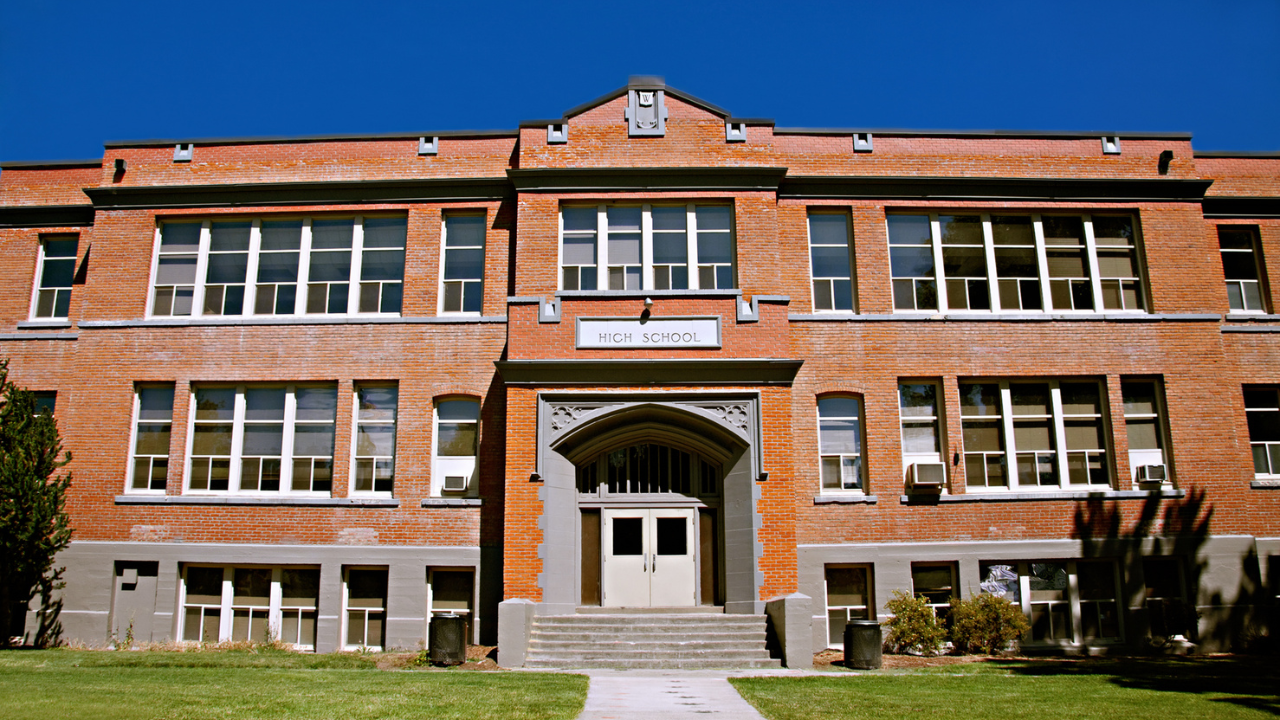
School security systems have changed dramatically over the past decade. Educational institutions are facing new challenges that require a more comprehensive approach to protecting students, faculty, staff, and visitors.
While traditional security measures often focused on locking doors and installing a few security cameras, today’s schools are implementing integrated security strategies that combine technology, operational procedures, and real-time visibility.
From private schools and K-12 districts to colleges and universities, educational institutions are investing in modern security systems that help create safer learning environments while supporting day-to-day operations.
As technology continues to evolve, school administrators are discovering new ways to improve campus security without disrupting the educational experience.
Why School Security Has Become More Complex
Schools are unique environments.
Unlike many commercial buildings, campuses often include:
- Multiple buildings
- Hundreds or thousands of occupants
- Athletic facilities
- Parking areas
- Administrative offices
- Community events
- Frequent visitor traffic
Managing security across these environments requires more than a single solution.
Administrators need systems that provide visibility, control, and flexibility while supporting a welcoming atmosphere.
Modern school security systems are designed to meet these challenges.
The Evolution of Campus Security
In the past, many schools relied on limited surveillance coverage and traditional key systems.
While these approaches provided some level of protection, they often lacked:
- Real-time visibility
- Access management
- Investigation tools
- Emergency response support
- Scalability
Today’s educational facilities are increasingly adopting integrated security platforms that bring multiple technologies together.
These systems help administrators manage security proactively rather than reacting after incidents occur.
Security Cameras Are a Critical Foundation
Video surveillance remains one of the most important components of a school security strategy.
Modern school security cameras provide significantly greater capabilities than earlier systems.
High-definition video allows administrators to:
- Monitor building entrances
- Observe parking lots
- Review common areas
- Investigate incidents
- Improve situational awareness
Many schools are also replacing older camera systems with newer platforms that offer enhanced image quality, improved storage options, and easier management.
Cloud-Based Video Surveillance Is Growing
Many educational institutions are moving away from traditional on-site recording systems and adopting cloud-based security platforms.
Cloud-based systems offer several advantages.
Centralized Management
Administrators can manage multiple buildings from a single platform.
Remote Accessibility
Authorized personnel can securely access video when needed.
Simplified Updates
Software updates are often easier to manage.
Scalability
Additional cameras and locations can be added more efficiently.
For schools operating multiple campuses, centralized visibility can significantly improve operational efficiency.
Access Control Is Replacing Traditional Keys
Many schools are moving away from traditional key systems and implementing access control technologies.
Access control systems allow schools to manage:
- Staff access
- Visitor access
- Building schedules
- Restricted areas
- Emergency lockdown procedures
Instead of distributing physical keys throughout a campus, administrators can control access electronically.
This improves both security and accountability.
Visitor Management Is More Important Than Ever
Managing visitors is a major priority for educational institutions.
Schools welcome:
- Parents
- Vendors
- Contractors
- Community organizations
- Event attendees
Without proper controls, monitoring visitor activity can become challenging.
Modern security programs often integrate visitor management processes with access control systems to improve oversight and accountability.
Video Analytics Are Expanding Security Capabilities
Video analytics technology is becoming increasingly common in educational environments.
These tools help schools move beyond simple video recording.
Examples include:
- Line crossing detection
- Loitering alerts
- Vehicle monitoring
- Occupancy monitoring
- Activity recognition
Video analytics can help security personnel identify unusual activity more quickly and support faster response times.
Emergency Response Planning
Technology alone cannot create a safe campus.
Modern school security strategies also emphasize emergency preparedness.
Security systems can support emergency response efforts by providing:
- Real-time visibility
- Access control management
- Communication tools
- Investigation capabilities
Integrated systems help administrators make informed decisions during critical situations.
Supporting After-Hours Activities
Many schools remain active long after the final bell rings.
Athletic events, community programs, performances, and meetings often extend building use into evenings and weekends.
Modern security systems help administrators manage:
- After-hours access
- Event monitoring
- Building security
- Visitor activity
These capabilities allow schools to maintain security while supporting community engagement.
Cybersecurity and Physical Security Are Converging
As security systems become more connected, cybersecurity considerations become increasingly important.
School security systems often rely on:
- Network infrastructure
- Cloud platforms
- Mobile applications
- Remote management tools
Protecting these systems requires attention to cybersecurity best practices as well as physical security measures.
Schools should work with security partners who understand both areas.
Security Audits Help Schools Stay Ahead
One of the most effective ways to improve campus security is through regular evaluations.
Security audits can help identify:
- Blind spots
- Aging equipment
- Access control concerns
- Policy gaps
- Technology improvement opportunities
Periodic reviews help schools make informed decisions and prioritize future investments.
Benefits for Private Schools
Private schools often have unique operational requirements.
Security systems can help support:
- Campus access management
- Parent communication
- Event security
- Facility oversight
- Student safety
Scalable solutions allow private schools to implement technologies that fit their specific needs and budgets.
Benefits for Colleges and Universities
Higher education campuses often function like small cities.
Multiple buildings, residence halls, parking facilities, and public spaces require comprehensive security strategies.
Modern security technologies provide administrators with tools to manage these environments more effectively.
Building a Long-Term Security Strategy
The most successful school security programs focus on continuous improvement.
Administrators should evaluate:
- Current security technologies
- Access control procedures
- Surveillance coverage
- Emergency response capabilities
- Future campus growth
A long-term approach helps schools adapt as needs evolve.
Frequently Asked Questions
What are the most important components of a school security system?
Security cameras, access control systems, visitor management processes, and emergency response planning are among the most important components.
Why are schools moving to access control systems?
Access control provides greater visibility, accountability, and flexibility than traditional key systems.
Are cloud-based security systems appropriate for schools?
Many schools benefit from cloud-based platforms because they simplify management and improve accessibility.
What role do video analytics play in school security?
Video analytics help identify unusual activity, improve situational awareness, and support faster investigations.
How often should schools evaluate their security systems?
Annual reviews and periodic security audits are recommended to identify improvement opportunities and maintain system effectiveness.
Can security systems support emergency response efforts?
Yes. Modern systems provide visibility, communication tools, and access management capabilities that can support emergency decision-making.
Is Your School Security Strategy Keeping Pace With Today’s Challenges?
Educational institutions face evolving security challenges that require thoughtful planning, modern technology, and ongoing evaluation. Schools that invest in integrated security solutions are better positioned to protect students, staff, visitors, and facilities while supporting educational goals.
APEX Integrations works with schools, colleges, universities, and educational organizations to design and implement security solutions that improve visibility, access management, and overall campus safety.
If you were evaluating your campus security today, what area would you improve first: surveillance, access control, visitor management, or emergency preparedness?