
Many building owners assume that if their fire alarm system appears to be working, there is no need to test it. However, fire alarm systems are complex life safety systems that require regular inspection, testing, and maintenance to ensure they operate properly when needed most.
Annual fire alarm testing and inspection is not simply a recommended best practice—it is a critical component of maintaining code compliance, protecting occupants, and ensuring emergency systems function as designed.
Whether you manage a commercial office building, healthcare facility, school, apartment complex, manufacturing facility, or multi-site property portfolio, routine fire alarm testing helps identify issues before they become safety risks.
In this article, we’ll explore why fire alarm testing and inspection are required every year, what the process involves, and how proactive maintenance can help avoid costly surprises.
The Purpose of Fire Alarm Testing and Inspection
The primary goal of fire alarm testing and inspection is to verify that every component of the system functions properly.
A fire alarm system is only effective if it can:
- Detect an emergency condition
- Communicate with the control panel
- Activate notification devices
- Alert monitoring centers
- Support emergency response efforts
Over time, components can fail, become damaged, accumulate dust, lose sensitivity, or experience communication problems.
Regular fire alarm testing helps identify these issues before an emergency occurs.
Fire Alarm Systems Are Life Safety Systems
Unlike many building systems, fire alarms are specifically designed to protect lives.
During an emergency, occupants rely on the fire alarm system to provide early warning and allow sufficient time for evacuation.
Even a minor failure can have serious consequences.
Examples include:
- Smoke detectors that no longer respond properly
- Notification devices with reduced volume
- Communication failures with monitoring centers
- Damaged wiring
- Faulty control panels
- Battery failures
Annual fire alarm testing and inspection helps ensure these critical components remain operational.
Fire Alarm Compliance Requirements
Most commercial fire alarm systems are subject to inspection and testing requirements established by local building codes, fire codes, insurance carriers, and nationally recognized standards.
The exact requirements vary by occupancy type and local regulations, but annual inspections are typically required for commercial facilities.
Regular testing helps demonstrate compliance and provides documentation that can be valuable during:
- Fire marshal inspections
- Insurance audits
- Property transactions
- Facility accreditation reviews
- Risk management evaluations
Maintaining accurate inspection records is an important part of any facility’s life safety program.
What Happens During a Fire Alarm Testing and Inspection?
A professional fire alarm inspection involves much more than simply looking at the control panel.
Technicians evaluate the condition and performance of the entire system.
This often includes testing:
Smoke Detectors
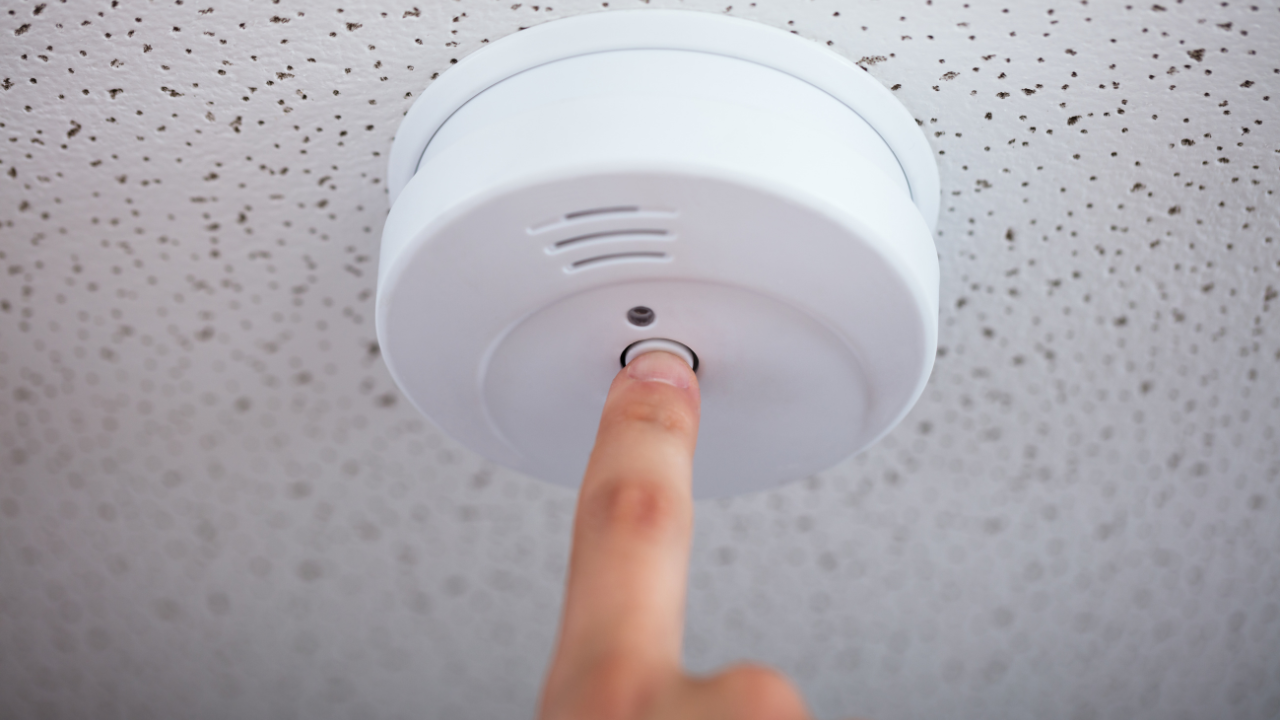
Smoke detectors are tested to verify proper operation and sensitivity.
Technicians also check for physical damage, contamination, and environmental conditions that could affect performance.
Heat Detectors
Heat detectors are evaluated to ensure they respond appropriately under specified conditions.
Manual Pull Stations
Pull stations are activated to verify proper signal transmission and system response.
Horns and Strobes
Notification appliances must be tested to ensure occupants can hear and see alarm signals throughout the building.
Fire Alarm Control Panels
The control panel is inspected for proper operation, communication, programming integrity, and system status.
Batteries and Power Supplies
Backup batteries are evaluated to confirm they can support system operation during a power outage.
Monitoring Connections
Communication pathways are tested to verify that alarm signals are transmitted properly to the monitoring center.
Finding Deficiencies Before They Become Problems
One of the most valuable aspects of annual fire alarm testing and inspection is identifying deficiencies before they create larger issues.
Many problems develop gradually and may go unnoticed during day-to-day operations.
Examples include:
- Aging detectors
- Corroded connections
- Damaged wiring
- Weak batteries
- Device communication failures
- Obsolete components
Without testing, these issues may remain hidden until a system fails during an actual emergency.
Early detection allows building owners to make repairs before reliability is compromised.
The Importance of Device Replacement
Many building owners are surprised to learn that fire alarm devices do not last forever.
Over time, sensors become less effective and components may reach the end of their service life.
Industry recommendations often suggest replacing certain fire alarm devices approximately every 15 years.
Failing to replace aging equipment can increase:
- False alarms
- Service calls
- Maintenance costs
- Compliance concerns
- Reliability risks
Annual inspections help identify devices that may be approaching replacement age.
Supporting Long-Term Capital Planning
A quality inspection program provides valuable insight into the overall condition of a fire alarm system.
Rather than waiting for equipment to fail unexpectedly, building owners can develop a proactive replacement strategy.
This allows organizations to:
- Budget more effectively
- Schedule upgrades strategically
- Minimize disruptions
- Reduce emergency repair costs
- Improve system reliability
For property management companies overseeing multiple locations, this type of planning can provide significant operational advantages.
The Value of Fire Alarm Service Contracts
Many organizations choose to enroll in fire alarm service contracts to simplify compliance and maintenance management.
A service agreement often provides:
- Automated inspection reminders
- Scheduled testing appointments
- Priority service response
- Online access to reports
- Digital documentation
- Deficiency tracking
- Proposal approval tools
These services help ensure inspections are completed on time and that building owners maintain access to critical documentation.
At APEX Integrations, clients can access inspection reports and service information through an online portal, providing visibility into upcoming service dates and system history.
Why Documentation Matters
Documentation is often overlooked, but it plays a critical role in fire alarm compliance.
Inspection reports provide evidence that testing was completed and identify any deficiencies discovered during the process.
Accurate records can assist with:
- Regulatory inspections
- Insurance reviews
- Internal audits
- Risk management programs
- Facility accreditation requirements
Maintaining organized records helps demonstrate a commitment to life safety and compliance.
Fire Alarm Testing Is About More Than Compliance
While compliance is important, annual fire alarm testing and inspection should never be viewed as simply checking a box.
The true purpose is to protect people.
Employees, residents, students, patients, visitors, and tenants depend on these systems every day, often without realizing it.
Routine testing helps ensure that when an emergency occurs, the system performs exactly as intended.
That level of confidence is invaluable.
Why Choose a Qualified Fire Alarm Company?
Not all fire alarm providers offer the same level of expertise.
A qualified fire alarm company should understand:
- Fire alarm regulations
- Testing procedures
- System programming
- Device replacement requirements
- Monitoring integration
- Deficiency correction
- Long-term maintenance planning
Certified technicians can help identify potential issues early and provide recommendations that support both compliance and system reliability.
APEX Integrations provides fire alarm inspections, testing, monitoring, service, and system upgrades for commercial facilities throughout the region.
Frequently Asked Questions
How often is fire alarm testing and inspection required?
Most commercial fire alarm systems require annual testing and inspection. Some components may require additional testing intervals depending on occupancy type and local regulations.
Why is annual fire alarm inspection important?
Annual inspections help verify that the system operates correctly, identify deficiencies, maintain compliance, and support occupant safety.
What happens if a fire alarm system fails inspection?
Any deficiencies identified during the inspection should be corrected promptly to restore compliance and system reliability.
Do fire alarm devices need to be replaced?
Yes. Many devices have recommended replacement schedules, often around 15 years, depending on the manufacturer and device type.
Does fire alarm testing include monitoring verification?
Yes. Monitoring communication pathways is typically tested to confirm alarm signals are properly transmitted.
Can inspection reports be accessed online?
Many service providers offer digital access to reports and inspection records through customer portals.
Schedule Your Annual Fire Alarm Testing and Inspection
Fire alarm testing and inspection are among the most important investments a building owner can make in life safety and compliance. Regular inspections help identify problems early, support code requirements, improve reliability, and provide peace of mind.
APEX Integrations provides comprehensive fire alarm testing, inspection, monitoring, maintenance, and service programs designed to help commercial facilities stay compliant and protected.
When was your last fire alarm inspection completed? If you’re unsure, now is the perfect time to schedule a review and ensure your system is ready when it matters most. Contact APEX Integrations to discuss your options.