
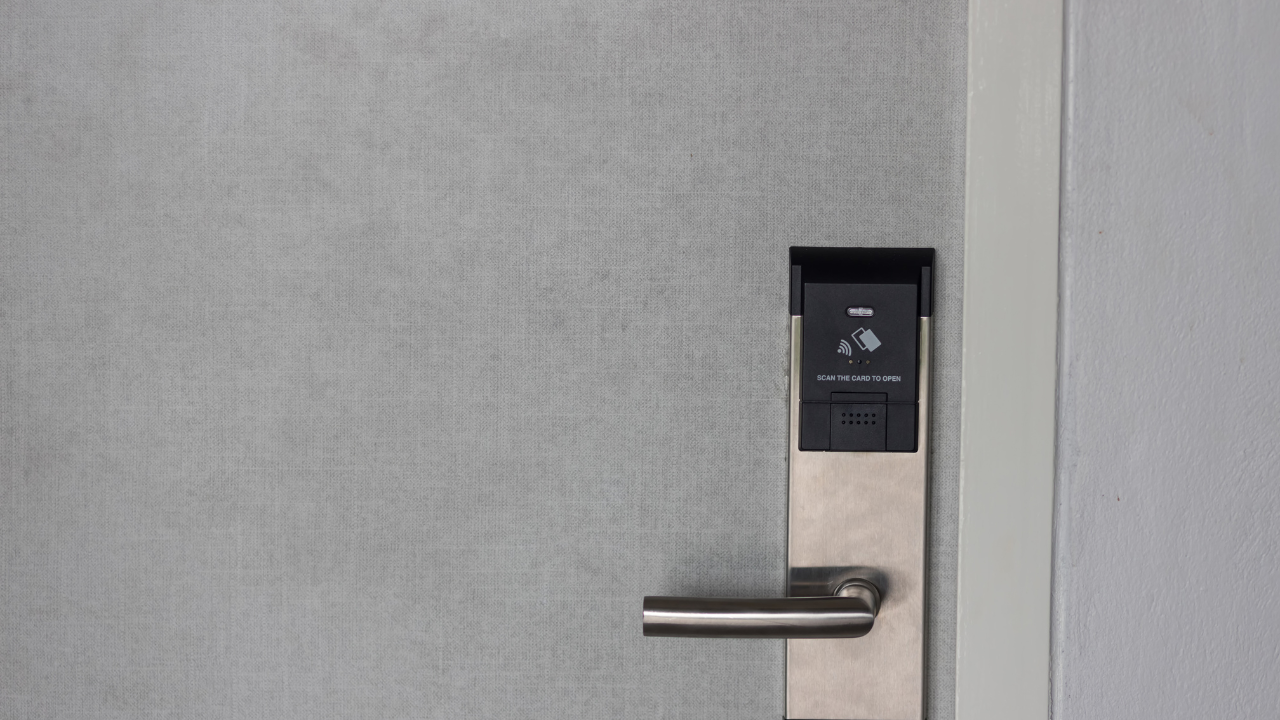
Access control technology has evolved significantly over the past decade. While traditional hardwired access control systems remain an excellent solution for many facilities, wireless access control systems are becoming increasingly popular among organizations seeking greater flexibility, scalability, and ease of deployment.
For years, expanding access control often required extensive wiring, disruptive construction, and significant installation costs. Today, wireless lock technology is helping organizations secure doors, manage credentials, and improve building security while reducing many of the challenges associated with traditional installations.
From apartment communities and healthcare facilities to educational campuses and commercial office buildings, wireless access control is transforming how organizations think about building security.
What Is Wireless Access Control?
Wireless access control combines electronic locking hardware with wireless communication technology to manage access to secured areas.
Instead of relying solely on physical keys, users gain access through electronic credentials such as:
- Key cards
- Key fobs
- Mobile credentials
- PIN codes
- Biometric authentication
The wireless lock communicates with the access control platform, allowing administrators to manage permissions and monitor activity without running extensive wiring to every door.
The result is a more flexible approach to building security.
Why Organizations Are Moving Away From Traditional Keys
Many organizations still rely heavily on mechanical key systems.
While keys may appear simple, they often create management challenges.
Common issues include:
- Lost keys
- Stolen keys
- Unauthorized duplication
- Employee turnover
- Re-keying expenses
- Limited accountability
Every time a key is lost or an employee leaves, organizations must decide whether their security remains intact.
Wireless access control eliminates many of these concerns by allowing administrators to manage credentials electronically.
Easier Expansion Across Large Facilities
One of the biggest advantages of wireless access control is scalability.
As organizations grow, additional doors can often be added more easily than with traditional hardwired systems.
This can be particularly valuable for:
- Multi-building communities
- Educational campuses
- Healthcare facilities
- Corporate offices
- Apartment complexes
Rather than treating access control as a one-time project, organizations can expand their systems as operational needs evolve.
Reducing Installation Challenges
Installing traditional hardwired access control systems may require:
- Running cable through walls
- Ceiling access
- Electrical work
- Construction coordination
- Operational disruptions
Wireless lock technology often reduces these challenges.
While every project is unique, wireless solutions can frequently be installed with less disruption to building operations.
This is especially beneficial in occupied environments where downtime must be minimized.
Ideal Applications for Wireless Locks
Wireless access control works particularly well in facilities with many interior doors.
Examples include:
Apartment Communities
Property managers can manage resident and staff access more efficiently while reducing key management challenges.
Educational Facilities
Schools and universities can secure classrooms, administrative offices, and restricted areas.
Healthcare Facilities
Wireless locks help manage access to patient areas, administrative offices, medication storage, and staff-only spaces.
Corporate Offices
Businesses can improve security while maintaining flexibility as departments grow and change.
Senior Living Communities
Wireless solutions provide controlled access while supporting resident convenience and staff efficiency.
Centralized Credential Management
One of the most valuable features of wireless access control is centralized administration.
Administrators can:
- Add users
- Remove users
- Adjust permissions
- Create schedules
- Monitor activity
All from a single platform.
This level of control significantly improves efficiency compared to traditional key systems.
Mobile Credentials Are Growing in Popularity
Many organizations are now adopting mobile credentials that allow users to access doors using smartphones.
Benefits include:
- Reduced card replacement costs
- Greater convenience
- Improved user experience
- Faster credential deployment
- Enhanced security options
Mobile access continues to gain traction across many industries as organizations seek modern solutions that align with user expectations.
Real-Time Visibility and Audit Trails
Traditional key systems provide very little information about building activity.
Wireless access control systems provide detailed audit trails that show:
- Who entered
- When they entered
- Which door was accessed
- Access attempts
- Credential activity
This visibility supports both security investigations and operational management.
Supporting Multi-Building Properties
Organizations managing multiple buildings often face unique access challenges.
Wireless access control allows administrators to oversee numerous facilities from a centralized platform.
Benefits include:
- Consistent security policies
- Simplified administration
- Better reporting
- Improved scalability
- Easier expansion
For property managers and campus administrators, this centralized approach can significantly reduce complexity.
Integration With Security Cameras
Wireless access control systems often integrate with commercial security camera platforms.
This integration allows administrators to:
- Review the video associated with door events
- Verify access activity
- Improve investigations
- Enhance accountability
Combining access control and video surveillance creates a more comprehensive security solution.
Emergency Response Benefits
Modern access control systems can support emergency response efforts by allowing administrators to:
- Secure designated areas
- Manage access remotely
- Review activity
- Improve situational awareness
These capabilities help organizations respond more effectively during critical situations.
Long-Term Cost Considerations
While every project is different, organizations often evaluate wireless access control based on both installation and operational costs.
Potential benefits may include:
- Reduced construction requirements
- Easier expansion
- Lower key management costs
- Improved operational efficiency
- Better scalability
The ability to add doors and locations without extensive infrastructure modifications often creates long-term value.
Planning for Future Growth
Organizations should evaluate future needs when selecting an access control platform.
Questions to consider include:
- Will additional buildings be added?
- Are mobile credentials desired?
- Is remote management important?
- Will integrations be needed?
- Are more doors likely in the future?
A scalable platform can help support growth while protecting the initial investment.
Choosing the Right Access Control Partner
Successful access control projects depend on thoughtful planning and experienced implementation.
Organizations should work with security professionals who understand:
- Operational requirements
- Building layouts
- Credential management
- System integrations
- Long-term growth objectives
At APEX Integrations, we help organizations evaluate wireless access control solutions and design systems that align with both current needs and future expansion plans.
Frequently Asked Questions
What is wireless access control?
Wireless access control uses electronic locks and wireless communication to manage building access without relying solely on traditional keys.
Are wireless locks secure?
Yes. Modern commercial wireless lock solutions offer strong security features and centralized management capabilities.
Can wireless locks work with mobile phones?
Many wireless access control systems support mobile credentials, allowing users to access doors with smartphones.
Is wireless access control suitable for large facilities?
Absolutely. Wireless systems are commonly used in schools, healthcare facilities, apartment communities, and multi-building properties.
Can wireless access control integrate with security cameras?
Yes. Many platforms integrate access control and video surveillance systems to improve visibility and enable investigations.
Do wireless locks eliminate the need for keys?
Many organizations significantly reduce their reliance on traditional keys, while maintaining backup options.
Is It Time to Move Beyond Traditional Keys?
Managing physical keys becomes increasingly difficult as organizations grow. Wireless access control provides a modern approach that improves security, simplifies administration, and supports future expansion.
APEX Integrations designs and implements wireless access control solutions that help organizations protect facilities, manage credentials efficiently, and improve operational visibility.
If you could eliminate one key management challenge from your organization today, what would it be? Lost keys, re-keying costs, employee turnover, or limited visibility into building access?